
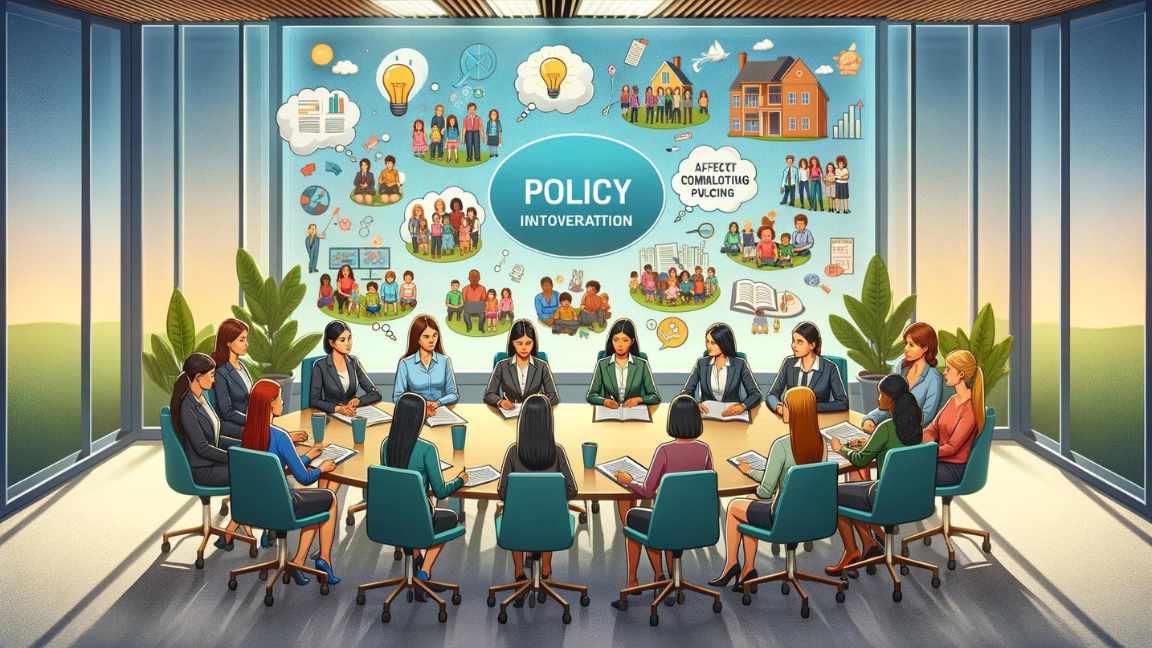
The Department of Women and Child Development plays a pivotal role in shaping policies that aim to improve the quality of life for women and children across various communities. By focusing on critical areas such as child education, health, and women’s rights, the department works to implement programs that foster development and provide necessary support. This article delves into the ways in which this department influences policy and its impacts on the community, particularly in the realm of child education.
Overview of the Department
The Department of Women and Child Development is tasked with the comprehensive development of women and children, ensuring their welfare and providing opportunities for empowerment. It is involved in policy formulation, planning, and program implementation across various sectors to promote inclusivity and equality.
Key Areas of Focus
1. Child Education and Development
Education is a fundamental right of every child, and the Department of Women and Child Development is deeply involved in ensuring that this right is upheld. Through various educational programs and initiatives, the department aims to provide quality education to children from all backgrounds.
Programs and Initiatives: Initiatives like the Mid-Day Meal Scheme and Beti Bachao, Beti Padhao (Save the Daughter, Educate the Daughter) campaign are significant. These programs not only aim to reduce dropout rates but also encourage the education of girl children in regions where gender disparity is prevalent.
Impact: These educational programs have been shown to improve literacy rates and educational attainment, providing children with the tools needed to succeed in life.
2. Health and Nutrition
Health and nutritional programs targeted at women and children are also a cornerstone of the department’s policy influence. Ensuring that children have access to adequate nutrition and health care is crucial for their physical and mental development.
Programs and Initiatives: The Integrated Child Development Services (ICDS) scheme is one such program that provides food, preschool education, and primary healthcare to children under 6 years of age and their mothers.
Impact: These initiatives help in reducing malnutrition and mortality rates among children and improve maternal health, contributing significantly to the health of the future workforce.
3. Women’s Empowerment
Empowering women is critical for the development of any society. The department implements various schemes aimed at women’s safety, education, and economic empowerment.
Programs and Initiatives: Schemes like Swadhar Greh (Shelter Home for Women) and Ujjawala (a comprehensive scheme for the prevention of trafficking) focus on providing support and rehabilitation to women in distress.
Impact: By providing women with education opportunities, vocational training, and legal aid, these programs help in reducing gender inequality and enhancing women’s roles in their communities.
Challenges and Future Directions
While the Department of Women and Child Development has made significant strides in improving women and child welfare, several challenges remain:
Resource Allocation: Ensuring that adequate resources are allocated to the myriad programs is a continual challenge.
Program Implementation: There can be significant gaps between policy formulation and its implementation on the ground.
Monitoring and Evaluation: Developing robust mechanisms for the ongoing monitoring and evaluation of programs is crucial for assessing effectiveness and making necessary adjustments.
Conclusion
The Department of Women and Child Development significantly impacts how policies are shaped and implemented, particularly concerning child education and women’s welfare. By focusing on education, health, and empowerment, the department not only enhances the lives of women and children but also contributes to the socio-economic development of the country. As we move forward, it will be important to address existing challenges and continue to innovate in how these policies and programs are implemented and scaled, ensuring that the benefits reach all sections of society comprehensively.
Frequently Asked Questions
The Ministry of Women and Child Development (MWCD) is responsible for the overall development, welfare, and empowerment of women and children in India. Established as a separate ministry in 2006, it focuses on creating policies and programs that promote their well-being (WCD Ministry) (MWCD).
As of the latest updates, specific names of lower-ranking officials like the director might not be listed publicly for smaller departments within states like Haryana. For the most accurate and current information, it’s recommended to check the official state government or relevant department’s website (MWCD).
The MWCD aims to empower women and ensure the welfare of children through various policies and programs. This includes initiatives like the Beti Bachao Beti Padhao, POSHAN Abhiyaan, and schemes under the Integrated Child Development Services (ICDS). The ministry’s efforts are directed towards social and economic empowerment, improving health and nutrition, providing education, and protecting rights.
This position can change with elections and cabinet reshuffles. For the most current information, visiting the official Karnataka government website or the state department’s official communications would provide the latest details.
There are numerous schemes aimed at child development under the MWCD. These include the Integrated Child Development Services (ICDS) for providing basic education, health services, and nutrition to children under six years, Balika Samridhi Yojana, and National Creche Scheme among others. These schemes are designed to support the physical and educational development of children across India.
Also Check: School Parent app