
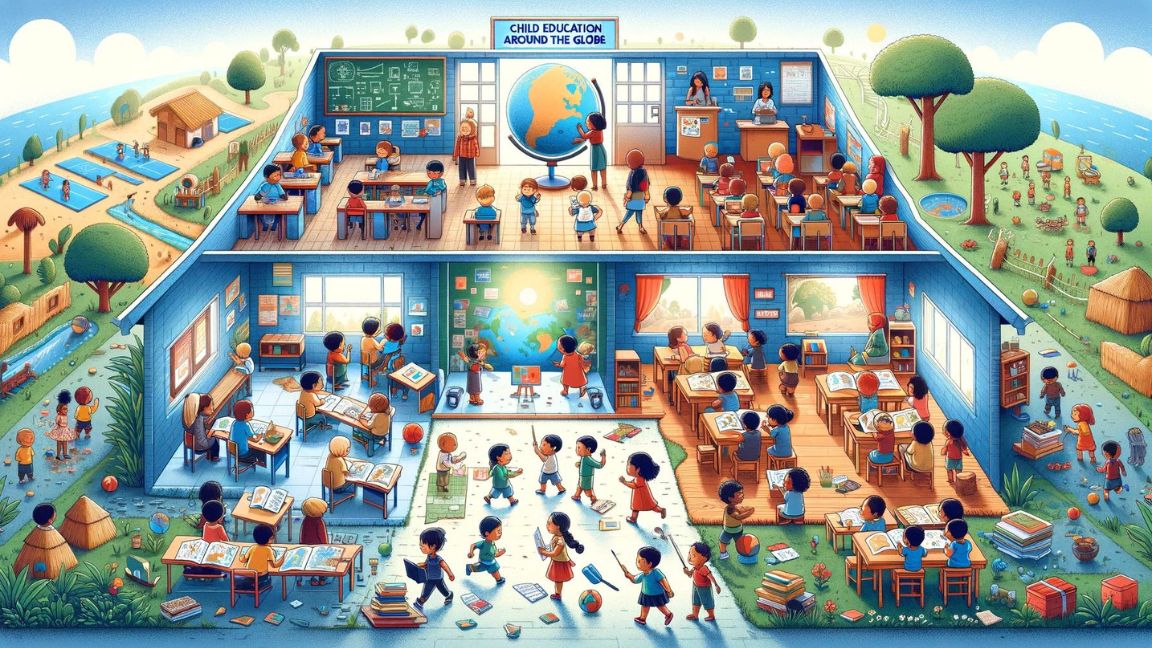
Child education represents a cornerstone of societal development, shaping the minds and futures of our youngest generation. Across the globe, the approach to early childhood education varies widely, reflecting diverse cultural values, economic conditions, and educational philosophies. However, at its core, the commitment to nurturing young minds through formal education and play-based learning remains universal. This overview explores the global landscape of child education, highlighting key trends, challenges, and innovations, including the role of technology, such as the school parent app, in enhancing early learning experiences.
Global Perspectives on Child Education
Universal Education and Access: Many countries strive toward the goal of universal access to early childhood education, recognizing its critical role in cognitive development and long-term academic success. Programs vary from publicly funded preschools to private daycare, each aiming to provide foundational skills in literacy, numeracy, and social interaction.
Cultural Influences: Cultural beliefs and values profoundly influence educational content and methods. For instance, Eastern educational systems often emphasize respect for authority and collective harmony, while Western approaches may focus more on individualism and creativity.
Trends in Child Education
Play-Based Learning: There is a growing recognition of the importance of play in learning, with many educational systems incorporating play-based curricula that encourage exploration, imagination, and social development.
Inclusivity and Diversity: Schools worldwide are increasingly focusing on creating inclusive environments that respect and celebrate diversity, catering to children from various backgrounds and with different learning needs.
Environmental Awareness: Educating children about environmental sustainability from an early age is becoming a priority, with curricula including lessons on conservation, recycling, and the importance of protecting our planet.
Technological Integration in Child Education
The advent of technology has introduced new dimensions to early childhood education, offering innovative tools to support learning and communication:
Educational Apps and Platforms: Digital platforms and apps provide interactive learning experiences, enabling children to explore subjects through games, videos, and simulations.
School Parent Apps: These apps have revolutionized communication between schools and families, allowing for real-time updates on children’s progress, sharing of educational resources, and facilitating a collaborative approach to education.
Challenges in Global Child Education
Despite advancements, challenges remain in providing equitable access to quality education for all children:
Economic Disparities: In many parts of the world, economic barriers limit access to early childhood education, with children from low-income families often missing out on early learning opportunities.
Quality of Education: Ensuring consistently high standards of education across different regions and schools is an ongoing challenge, with disparities in teacher training, resources, and facilities affecting educational outcomes.
Adapting to Rapid Change: Keeping curricula relevant in the face of rapid technological and societal changes requires agility and foresight from educators and policymakers.
Looking Forward
The future of child education is bright, with global efforts focused on overcoming barriers to access and quality. Innovations in teaching methods, curriculum design, and the integration of technology are paving the way for more engaging, effective, and inclusive educational experiences for children around the world. As we continue to share knowledge and resources across borders, the goal of providing every child with the foundation for lifelong learning and success becomes increasingly attainable.
Conclusion
Child education is a dynamic field that reflects the complexities and aspirations of societies worldwide. From early childhood education programs to the integration of technology like school parent apps, the global approach to educating our youngest members is continually evolving. By embracing diversity, fostering inclusivity, and leveraging technology, we can ensure that child education around the globe not only imparts knowledge but also instills values of respect, curiosity, and environmental stewardship. As we look to the future, the collective efforts of educators, families, and communities will be crucial in shaping a world where every child has the opportunity to learn, grow, and thrive.
Frequently Asked Questions
Childhood education encompasses the educational experiences and initiatives designed to support children’s learning and development during their early years, typically from birth to around eight years old. It includes various early childhood programs, such as preschool, kindergarten, and early elementary education.
Johann Heinrich Pestalozzi is widely regarded as the father of modern education and is known for his pioneering work in educational theory and practice, particularly in the field of early childhood education.
Child education is crucial as it lays the foundation for a child’s lifelong learning journey and development. It fosters cognitive, emotional, social, and physical growth, equipping
Children typically start formal education when they reach the age of around 3 to 5 years old, depending on the country and educational system. This stage is often referred to as preschool or kindergarten.
Also Read: Organic Toddler Food