
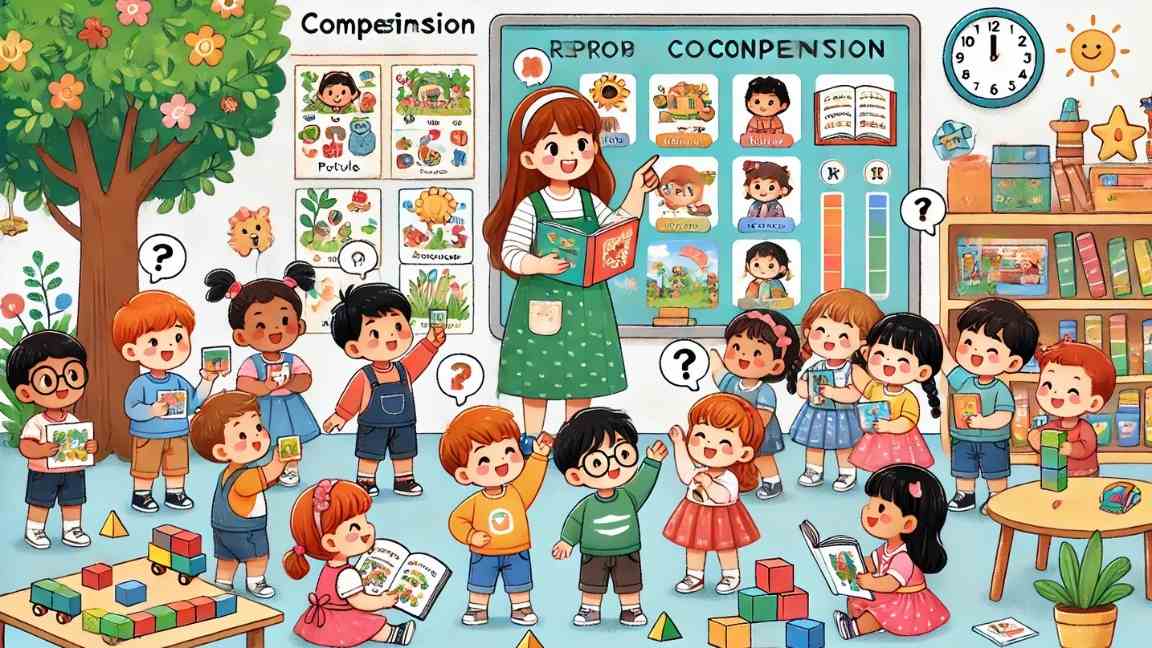
Comprehension is a critical skill that lays the foundation for effective reading and learning in young children. For kindergarteners, developing comprehension skills involves more than just understanding words; it encompasses listening, speaking, and engaging with stories and information in a way that enhances their overall learning experience. In this article, we will explore effective strategies and fun activities that can help improve comprehension for kindergarten students, ensuring they develop a solid foundation for future academic success. I’ll also share personal experiences that highlight how these activities can foster curiosity and engagement in young learners.
Importance of Comprehension for Kindergarten
1. Building Vocabulary
Understanding what they read helps children build their vocabulary. As they engage with different texts, they encounter new words and phrases, enriching their language skills.
2. Enhancing Listening Skills
Comprehension involves actively listening to stories and instructions. Developing these skills at an early age helps children become attentive listeners, which is crucial for their learning journey.
3. Fostering Critical Thinking
Comprehension activities encourage children to think critically about the material they encounter. They learn to ask questions, make predictions, and draw connections between different concepts.
4. Encouraging a Love for Reading
When children understand what they read, they are more likely to enjoy the process. Building comprehension skills fosters a positive attitude toward reading and learning.
Also Check: Preschools in Mumbai
Fun Activities to Improve Comprehension for Kindergarten
1. Storytime with Discussion
Description: Incorporate discussion into storytime to encourage comprehension and critical thinking.
- Activity: After reading a story, ask questions about the plot, characters, and setting. Encourage children to share their favorite parts and why they liked them. For example, after reading “The Very Hungry Caterpillar,” ask questions like, “What did the caterpillar eat?” and “How did he feel after eating all that food?”
Benefits: This activity promotes active listening and allows children to express their thoughts, enhancing comprehension.
Personal Experience: During storytime in my kindergarten class, I noticed that asking open-ended questions significantly engaged my students. After reading “The Gruffalo,” I asked them what they would do if they met a Gruffalo. The imaginative responses were priceless! One child said, “I would give him a hug because he looks fluffy!” This not only sparked their creativity but also deepened their understanding of the story.
2. Picture Walks
Description: Before reading a book, take a picture walk to engage children with the visuals.
- Activity: Flip through the pages of the book, showing the illustrations and discussing what they see. Ask questions like, “What do you think is happening here?” and “What do you think this story is about?”
Benefits: Picture walks stimulate curiosity and prepare children for the story, enhancing their ability to comprehend the text when it is read aloud.
Personal Experience: I used picture walks for a unit on animals. Before reading “Brown Bear, Brown Bear, What Do You See?”, we looked at the pictures. The kids made wild guesses about the animals, which led to laughter and excitement. Their predictions helped them connect more with the story when we read it aloud, reinforcing their understanding.
3. Interactive Read-Alouds
Description: Make read-aloud sessions interactive by involving children in the storytelling process.
- Activity: Use props or puppets to bring the story to life. Encourage children to participate by making sound effects or acting out parts of the story. For example, if you’re reading “The Three Little Pigs,” let them blow down the house with big huffs and puffs!
Benefits: This interactive approach keeps children engaged and makes it easier for them to remember and understand the story.
Personal Experience: One of my favorite activities was using puppets for “The Three Little Pigs.” I assigned roles to different students, and they acted out the story as I read. The joy on their faces as they took on characters made comprehension come alive, and they had a blast learning through play.
4. Story Sequencing
Description: Help children understand the order of events in a story through sequencing activities.
- Activity: After reading a story, provide children with pictures representing key events from the book. Ask them to arrange the pictures in the correct order and retell the story based on the sequence.
Benefits: Sequencing activities reinforce comprehension by helping children grasp the structure of stories and the flow of events.
Personal Experience: In our class, after reading “Goldilocks and the Three Bears,” I gave each child a set of picture cards representing key events. They loved arranging them and retelling the story in their own words. It amazed me how they grasped the narrative flow and added their unique twists to the tale!
Also Check: Preschools in Pune
5. Character Exploration
Description: Dive deeper into characters to enhance understanding and empathy.
- Activity: After reading a story, discuss the main characters. Ask questions like, “How do you think the character feels?” and “What would you do if you were in their shoes?” You can also create character profiles with drawings and descriptions.
Benefits: This activity encourages children to connect with characters on a personal level, enhancing their comprehension and emotional understanding.
Personal Experience: After reading “Charlotte’s Web,” we explored the characters by drawing them and discussing their feelings. One child said, “I think Wilbur was scared but also happy to have a friend.” This discussion helped the children empathize with Wilbur’s journey and solidified their understanding of the story.
6. Making Predictions
Description: Encourage children to make predictions about stories before and during reading.
- Activity: Before starting a book, show the cover and ask, “What do you think this story will be about?” As you read, pause and ask them to predict what might happen next.
Benefits: Making predictions fosters engagement and helps children think critically about the story, enhancing their overall comprehension.
Personal Experience: During our reading of “The Cat in the Hat,” I would stop periodically and ask the children what they thought would happen next. Their predictions were often hilarious and wildly creative, which not only made reading fun but also kept them engaged and invested in the story.
7. Story Retelling
Description: Allow children to retell the story in their own words to reinforce understanding.
- Activity: After reading, have children retell the story to a partner or to the class. They can use puppets or props to help illustrate their retelling.
Benefits: This activity reinforces their understanding of the narrative and boosts their confidence in sharing their thoughts and ideas.
Personal Experience: I encouraged students to use puppets for retelling stories. The excitement when they shared their versions of “Little Red Riding Hood” was heartwarming. They added their unique spins, making the activity both entertaining and insightful for their comprehension.
8. Graphic Organizers
Description: Use graphic organizers to help children visualize their understanding of a story.
- Activity: Provide simple graphic organizers, such as story maps, to help children identify key elements of the story, such as the characters, setting, problem, and solution. They can fill out the organizers as they read.
Benefits: Graphic organizers make abstract concepts more concrete, aiding comprehension by visually representing information.
Personal Experience: I used story maps for our reading sessions, and the children enjoyed filling them out together. It helped them organize their thoughts and recall key details from the stories, which significantly improved their comprehension skills.
Also Check: School app for Parents
9. Reading Comprehension Games
Description: Turn comprehension practice into fun games to engage children actively.
- Activity: Create a game where children answer questions about a story to earn points. You could also use bingo cards with key story elements and have them mark off items as they are mentioned in the reading.
Benefits: Games make learning enjoyable and encourage children to focus on comprehension in a fun and interactive way.
Personal Experience: I once organized a comprehension bingo game after reading “The Snowy Day.” The kids were thrilled to find the words and pictures on their cards as I read the story aloud. This not only reinforced their listening skills but also made the story unforgettable.
10. Field Trips and Experiences
Description: Relate stories to real-life experiences to enhance understanding.
- Activity: Organize a field trip related to a story you’ve read. For example, if you read about a farm, visit a local farm and explore the animals and plants you discussed in the book.
Benefits: Real-life connections deepen comprehension and create memorable learning experiences that children will cherish.
Personal Experience: After reading “Click, Clack, Moo: Cows That Type,” we visited a local farm. The kids were ecstatic to see real cows and other animals. It brought the story to life and sparked conversations about farming, reinforcing their understanding in a fun and engaging way.
Conclusion
Developing comprehension for kindergarten is essential for fostering a love of learning and ensuring that children are well-prepared for future academic challenges. Engaging in fun and interactive activities helps children enhance their understanding of stories and information while building critical thinking skills.
By incorporating the activities outlined in this article, parents and educators can create a supportive environment that nurtures comprehension skills. My personal experiences in teaching have shown me that when children are engaged and excited about learning, they are more likely to thrive. Embrace the journey of teaching comprehension, and watch your kindergarteners flourish in their understanding and love for reading!
Also Read: Kindergarten English Worksheets