
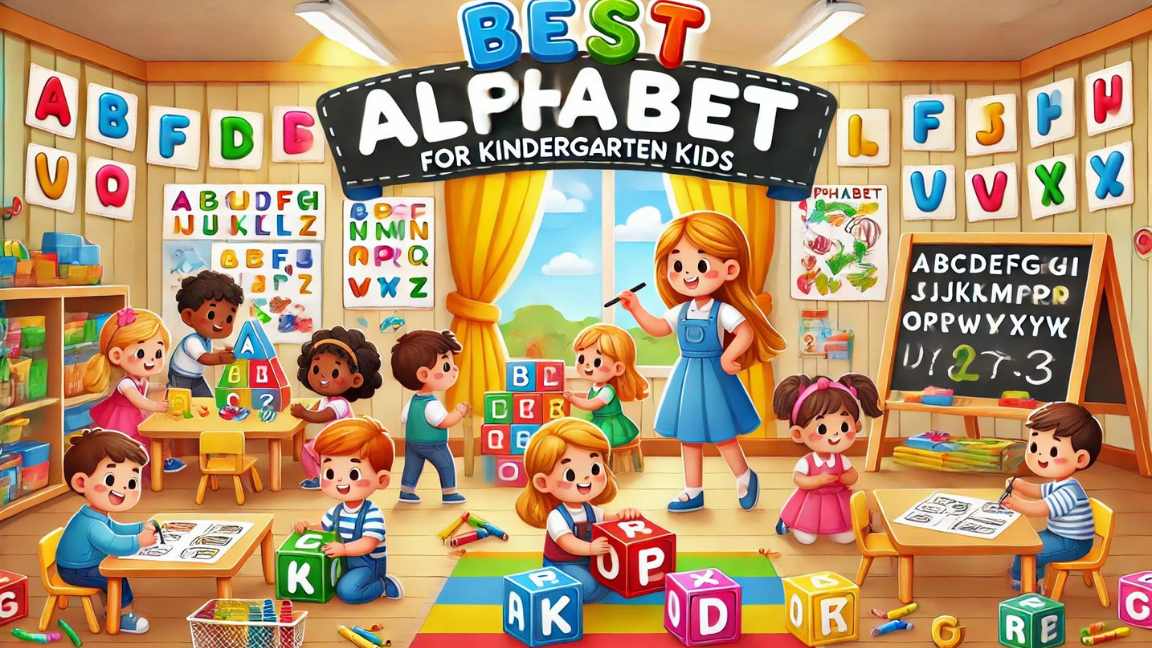
Engaging young learners in alphabet activities is essential for building foundational literacy skills. Here are ten creative and effective alphabet activities for kindergarten that teachers and parents can use to make learning fun and interactive. These activities not only teach letter recognition but also promote fine motor skills, creativity, and cognitive development.
1. Alphabet Treasure Hunt
Description: Hide alphabet cards around the classroom or house. Give children a checklist and encourage them to find all the letters. Once they find a letter, they can match it to the corresponding item on their checklist.
Materials Needed:
- Alphabet cards
- Checklist with letters
- Small rewards (optional)
How to Do It: To set up the alphabet treasure hunt, first, prepare a set of alphabet cards and a checklist for each child. Hide the alphabet cards in various locations around the classroom or home. Give each child a checklist and explain the rules. As they find each letter, they mark it off their list. For added fun, offer small rewards for completing the hunt.
Experience: This activity is a favorite among kids. They enjoy the challenge of finding hidden letters, and it helps reinforce letter recognition. The excitement of a treasure hunt keeps them engaged and motivated to learn. This activity also encourages teamwork and problem-solving as children often work together to find the letters.
2. Letter Tracing in Sand
Description: Fill a tray with sand and provide children with alphabet cards. Children can use their fingers or a stick to trace the letters in the sand, helping them develop fine motor skills and letter recognition.
Materials Needed:
- Tray
- Sand
- Alphabet cards
How to Do It: Fill a shallow tray with sand and place it on a flat surface. Provide each child with a set of alphabet cards. Show the children how to trace the letters in the sand using their fingers or a stick. Encourage them to say the letter out loud as they trace it.
Experience: Tracing letters in the sand is a sensory activity that children love. It provides a tactile learning experience and helps improve their handwriting skills. The sand adds a fun element that keeps them interested. This activity also allows children to practice letter formation in a low-pressure environment, as they can easily erase mistakes and try again.
3. Alphabet Crafts
Description: Create alphabet crafts by decorating each letter with items that start with that letter (e.g., buttons for B, cotton for C). This reinforces letter sounds and recognition.
Materials Needed:
- Construction paper
- Glue
- Decorative items (buttons, cotton balls, etc.)
How to Do It: Cut out large letters from construction paper. Provide the children with various decorative items that start with the corresponding letter. For example, for the letter B, provide buttons, and for the letter C, provide cotton balls. Let the children decorate their letters with the items.
Experience: Alphabet crafts are a hit with children because they combine creativity with learning. Decorating each letter with corresponding items helps them remember letter sounds and improves their fine motor skills. This activity also provides a great opportunity for children to express their creativity and take pride in their work.
Also Check: Art Activities for Kindergarten
4. Alphabet Bingo
Description: Play a game of bingo using alphabet cards. Call out letters and have children mark the corresponding letter on their bingo card. The first to get a row wins.
Materials Needed:
- Bingo cards with letters
- Alphabet cards for calling out letters
- Markers or chips
How to Do It: Create bingo cards with a mix of uppercase and lowercase letters. Prepare a set of alphabet cards for calling out the letters. Hand out the bingo cards and markers or chips to the children. Call out letters one by one and have the children mark the corresponding letter on their card. The first child to get a row of marked letters shouts “Bingo!” and wins.
Experience: Alphabet Bingo is a fun and competitive way to reinforce letter recognition. Children enjoy the game format and it provides an opportunity for them to practice identifying letters quickly. This activity also helps improve attention and listening skills as children must pay close attention to the letters being called out.
5. Alphabet Matching Game
Description: Create a matching game with uppercase and lowercase letters. Children match the uppercase letter to its lowercase counterpart, helping them learn both forms of the letters.
Materials Needed:
- Cards with uppercase and lowercase letters
How to Do It: Prepare a set of cards with uppercase letters and a separate set with lowercase letters. Mix the cards and lay them face down on a flat surface. Children take turns flipping over two cards at a time, trying to find matching pairs of uppercase and lowercase letters. If a match is found, the child keeps the pair and takes another turn. If not, the cards are turned back over and the next child takes a turn.
Experience: The matching game is a simple yet effective way to teach letter recognition. Children enjoy the challenge of finding matches, and it reinforces their understanding of uppercase and lowercase letters. This activity also helps improve memory and concentration as children must remember the location of the cards.
6. Alphabet Songs and Rhymes
Description: Sing alphabet songs and rhymes to help children remember the order of the letters and their sounds. Incorporate actions or dance moves to make it more engaging.
Materials Needed:
- Alphabet song recordings or lyrics
- Space for dancing (optional)
How to Do It: Choose popular alphabet songs and rhymes that are easy for children to learn. Sing the songs together, encouraging children to join in with actions or dance moves. For example, you can use hand movements to represent each letter or create simple dance routines that go along with the song.
Experience: Alphabet songs and rhymes are a great auditory learning tool. The rhythmic and repetitive nature of the songs helps children memorize the alphabet and understand letter sounds. Adding movements makes it a full-body learning experience and keeps children engaged.
7. Playdough Letters
Description: Have children form letters using playdough. This hands-on activity helps them understand the shapes of letters and improves their fine motor skills.
Materials Needed:
- Playdough
- Alphabet cards for reference
How to Do It: Provide each child with a small amount of playdough and a set of alphabet cards for reference. Show them how to roll the playdough into long, thin strips and then shape it into letters. Encourage them to create both uppercase and lowercase letters.
Experience: Creating letters with playdough is a tactile activity that children enjoy. It allows them to explore the shapes of letters in a fun and interactive way, which aids in letter recognition and handwriting skills. This activity also helps develop fine motor skills as children manipulate the playdough into different shapes.
8. Alphabet Puzzles
Description: Use alphabet puzzles where children fit pieces together to form letters or words. This activity promotes problem-solving skills and letter recognition.
Materials Needed:
- Alphabet puzzles
How to Do It: Provide children with puzzles that feature letters of the alphabet. Show them how to fit the pieces together to form each letter. For added challenge, use puzzles that form simple words.
Experience: Alphabet puzzles are an engaging way to reinforce letter recognition. Children enjoy the challenge of fitting pieces together, and it helps develop their spatial awareness and problem-solving skills. This activity also encourages persistence and patience as children work to complete the puzzles.
Also Check: School Parent app
9. Alphabet Books
Description: Read alphabet books that highlight each letter with corresponding pictures and words. Discuss the letter and its sound as you read.
Materials Needed:
- Alphabet books
How to Do It: Choose alphabet books that feature each letter prominently, along with pictures and words that start with that letter. Read the books together, pointing out each letter and discussing its sound and the associated words.
Experience: Reading alphabet books is a wonderful way to introduce children to letters and sounds. The colorful pictures and engaging stories capture their attention and make learning enjoyable. This activity also helps develop vocabulary and comprehension skills as children learn new words.
10. Alphabet Sorting
Description: Provide children with a mix of letter cards and have them sort them into categories such as vowels and consonants, or uppercase and lowercase.
Materials Needed:
- Letter cards
How to Do It: Prepare a set of letter cards and mix them up. Ask the children to sort the cards into different categories, such as vowels and consonants, or uppercase and lowercase letters. For a more advanced challenge, have them sorted by alphabetical order.
Experience: Sorting letters is a hands-on activity that helps children categorize and recognize letters. It reinforces their understanding of different letter types and improves their sorting and organizing skills. This activity also promotes critical thinking as children decide how to categorize each letter.
Conclusion
Incorporating alphabet activities for kindergarten into your daily routine can significantly enhance young learners’ literacy skills. These activities are designed to be fun and engaging while promoting essential skills such as letter recognition, fine motor development, and creativity. Whether you are a teacher or a parent, these activities will provide valuable learning experiences for kindergarten children.
Also Check: Preschools in Delhi