
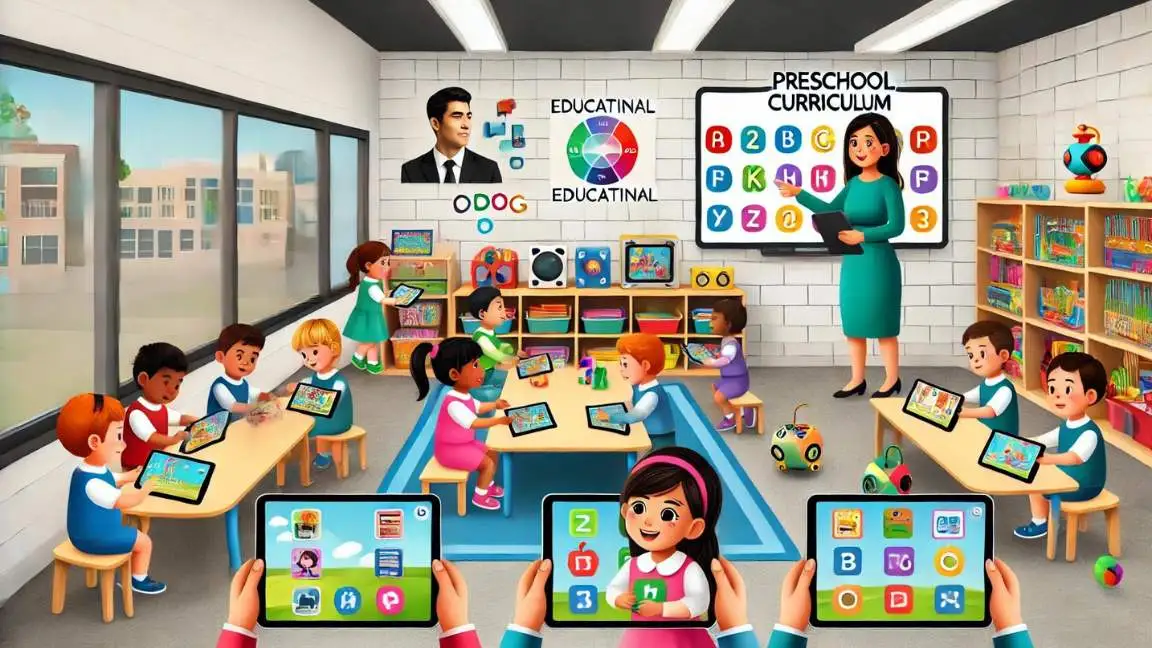
In today’s fast-paced world, technology plays a crucial role in enhancing educational practices, and preschools are no exception. The integration of technology in preschool curriculum has transformed how young children learn, making education more engaging, personalized, and effective. Here’s how technology is making preschool curriculum better and why it’s essential for modern early childhood education.
Engaging and Interactive Learning
Technology makes learning more interactive and engaging, which is particularly beneficial for preschoolers who thrive on hands-on activities and visual stimulation.
- Interactive Apps: Educational apps offer a wide range of activities that make learning fun. Apps like ABCmouse and Khan Academy Kids provide interactive lessons on math, reading, and science, keeping children engaged and motivated.
Example: In my experience as a preschool teacher, using tablets with educational apps has significantly increased student engagement. Children are excited to participate in activities that feel more like games than traditional learning exercises. - Smartboards: Interactive whiteboards allow teachers to present lessons in a dynamic way. Kids can interact with the board by drawing, solving puzzles, or participating in group activities.
Example: During a lesson on the alphabet, I used a smartboard to display interactive letters that children could tap to hear the sounds and see words that start with each letter. This hands-on approach helped reinforce their learning in an enjoyable manner.
Personalized Learning Paths
Technology allows for personalized learning experiences tailored to each child’s unique pace and style.
- Adaptive Learning Software: Programs like DreamBox adapt to each child’s learning level, providing personalized math lessons that adjust based on the child’s responses.
Example: One of my students struggled with basic math concepts. Using an adaptive learning app, I was able to set up a personalized program that gradually increased in difficulty as the child improved, helping them build confidence and skills at their own pace. - Detailed Progress Tracking: Digital tools offer detailed insights into each child’s progress, helping teachers identify strengths and areas for improvement.
Example: A school parent app can track a child’s progress and share it with parents. I regularly use these apps to send updates on each child’s development, ensuring parents are involved and informed about their child’s learning journey.
Enhanced Communication
Technology enhances communication between teachers, parents, and students, creating a supportive educational environment.
- Real-Time Updates: Apps like Seesaw and ClassDojo allow teachers to share photos, videos, and updates about classroom activities with parents instantly.
Example: I use Seesaw to send parents daily updates and photos of their children’s activities. This not only keeps parents informed but also helps them feel connected to their child’s education. - Virtual Meetings: Tools like Zoom facilitate parent-teacher meetings, making it easier for working parents to stay involved in their child’s education.
Example: During the pandemic, I held virtual parent-teacher conferences, which were convenient for parents and allowed us to discuss their child’s progress in detail.
Real-World Learning and Preparation
Technology prepares children for the future by developing essential digital literacy skills.
- Early Exposure to Technology: Familiarizing children with technology from a young age helps them become comfortable with digital tools, which are essential in today’s world.
Example: In my classroom, we use basic coding apps to introduce children to programming concepts. This early exposure helps them develop problem-solving skills and logical thinking. - Virtual Field Trips: Technology allows children to explore the world beyond the classroom. Virtual field trips can transport students to museums, zoos, and other exciting locations without leaving school.
Example: We used VR headsets to take a virtual tour of the Smithsonian National Museum of Natural History. The children were fascinated and learned a lot about different animals and ecosystems.
Benefits for Teachers and Parents
The use of technology in preschool curriculum also brings significant benefits to teachers and parents.
- Efficient Planning and Assessment: Digital tools streamline lesson planning and assessment, making it easier for teachers to track student progress and adjust their teaching strategies accordingly.
Example: I use an app that helps me plan my lessons and track each student’s progress. This has made my job much more manageable and allows me to focus more on teaching. - Parental Involvement: Technology facilitates greater parental involvement in their child’s education, fostering a collaborative approach to learning.
Example: Through a school parent app, I share resources and activities that parents can do with their children at home. This collaborative approach helps reinforce what children learn in school.
Conclusion
The integration of technology in preschool curriculum significantly enhances the learning experience for young children. From interactive and personalized learning to improved communication and real-world preparation, technology offers numerous benefits that support the holistic development of preschoolers. As more preschools in India and around the world adopt these tools, the quality of early childhood education will continue to improve, providing a solid foundation for lifelong learning.