
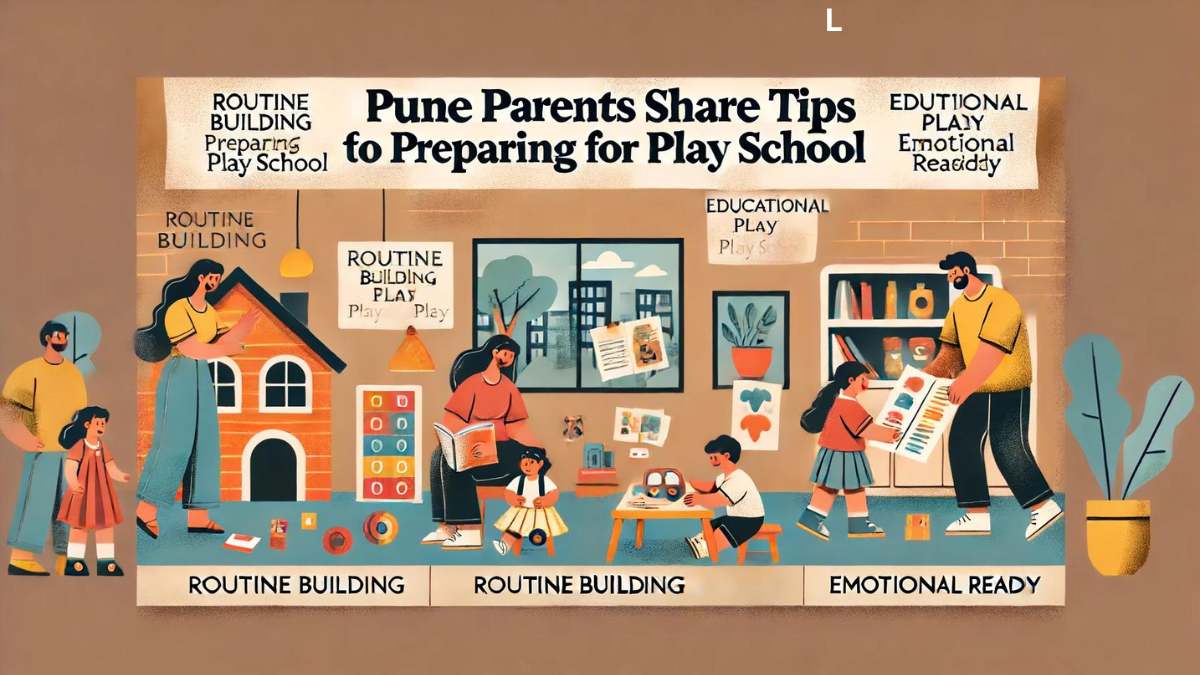
Preparing your child for play school is an exciting yet challenging time. To ease this transition, Pune parents have shared their valuable insights and Pune play school preparation tips. These tips will help you prepare your child for their first school experience, ensuring a smooth and enjoyable start.
Understanding the Importance of Preparation
Pune play school preparation tips are essential to ensure that your child feels comfortable and confident on their first day. Proper preparation helps in:
- Easing separation anxiety.
- Building a routine.
- Familiarizing with the school environment.
- Encouraging social skills.
Tips from Pune Parents
Establish a Routine
Start establishing a routine a few weeks before school begins. Set regular wake-ups, meals, and bedtimes. This helps your child get accustomed to the structure they will follow at play school.
- Consistent Sleep Schedule: Ensure your child goes to bed and wakes up at the same time every day. This helps regulate their body clock, making them feel more energetic and alert during school hours.
- Meal Times: Serve meals at consistent times to help your child understand the routine. Including nutritious snacks can keep them energized throughout the day.
- Practice Play School Activities: Spend some time each day on activities they will do in school, such as storytime or craft projects. This will make them more comfortable with their new routine.
Visit the School
Take your child to visit the school a few times before their first day. This helps them get familiar with the new environment. Many Play schools in Pune offer orientation sessions where children can explore the classrooms and play areas.
- Meet the Staff: Introduce your child to their teachers and other staff members. Building a relationship with the staff can make your child feel more comfortable and secure.
- Explore the Facilities: Show your child around the playground, classroom, and other facilities. Familiarity with the environment can reduce anxiety and make the transition smoother.
- Participate in Orientation Programs: Many schools offer orientation programs that include activities and tours. Participating in these can give your child a sense of what to expect.
Talk About School Positively
Discuss the play school in a positive light. Talk about the fun activities, new friends, and exciting things they will learn. Reading books about starting school can also be helpful.
- Share Stories: Read books about going to school and discuss the characters’ experiences. This helps your child relate to the story and feel more prepared.
- Highlight Fun Activities: Talk about the exciting activities they will do, such as playing with toys, making crafts, and singing songs.
- Stay Positive: Always speak positively about school. Your enthusiasm will be contagious and help your child feel excited about this new adventure.
Practice Independence
Encourage your child to do simple tasks independently, such as dressing themselves, using the bathroom, and eating without assistance. These skills boost their confidence and help them adapt better.
- Self-Feeding: Let your child practice eating with utensils and drinking from a cup. This promotes self-reliance and builds fine motor skills.
- Dressing Themselves: Teach your child to put on and take off their clothes, including shoes and jackets. This will make them feel more independent.
- Bathroom Skills: Ensure your child can use the bathroom independently. Practice wiping, flushing, and washing hands properly.
Socialize with Peers
Arrange playdates with other children who will attend the same play school. This helps your child build social skills and form friendships before the school starts.
- Group Activities: Organize activities that involve sharing and taking turns, such as building blocks or playing games. This teaches cooperation and patience.
- Meet Future Classmates: If possible, arrange playdates with children who will be in the same class. Familiar faces on the first day can be reassuring.
- Attend Community Events: Participate in community events and activities where your child can meet and interact with other children.
Create a Goodbye Ritual
Develop a special goodbye ritual to make leaving easier. A hug, a high-five, or a special phrase can reassure your child that you will return soon.
- Quick and Positive: Keep goodbyes brief and positive. Lingering can increase anxiety for both you and your child.
- Consistent Routine: Use the same goodbye ritual every day. Consistency helps your child know what to expect and feel more secure.
- Encouraging Words: Use reassuring words like “Have a great day!” or “I can’t wait to hear about your day!” This reinforces a positive attitude.
Pack Comfort Items
On the first day, pack a comfort item such as a favorite toy or a family photo in their backpack. This provides a sense of security and comfort.
- Familiar Objects: Choose items that your child finds comforting, such as a stuffed animal, blanket, or small toy.
- Photos: Include a family photo or a picture of a loved one. Seeing familiar faces can provide reassurance throughout the day.
- Personal Touch: Write a small note or draw a picture for your child to find in their backpack. This reminds them that you are thinking of them.
Leveraging Technology
Use a School Parent App
Many Play schools in India use a school parent app to communicate with parents. These apps provide updates on school activities, progress reports, and important notices. Familiarize yourself with the app to stay connected and informed.
- Stay Updated: Regularly check the app for updates and important information from the school.
- Communication Tool: Use the app to communicate with teachers and staff. Ask questions and share concerns to stay involved in your child’s education.
- Track Progress: Monitor your child’s progress and participation in school activities through the app.
Educational Apps
Introduce your child to educational apps that are fun and engaging. These apps can help them develop basic skills like counting, recognizing colors, and learning letters.
- Interactive Learning: Choose apps that offer interactive and age-appropriate activities. These can reinforce skills learned at school.
- Parental Controls: Use apps with parental controls to ensure a safe and educational experience.
- Monitor Screen Time: Limit screen time and ensure that it is balanced with other activities like outdoor play and reading.
Engaging Activities at Home
Reading Together
Spend time reading books together. Choose stories that relate to starting school and discuss the story afterward. This activity not only prepares them for the school routine but also enhances their listening and comprehension skills.
- Daily Reading: Set aside time each day for reading. This builds a routine and fosters a love for books.
- Interactive Reading: Ask questions about the story and encourage your child to express their thoughts and feelings.
- Variety of Books: Introduce a variety of books, including those about school, friends, and adventures.
Art and Craft
Engage your child in art and craft activities that they will likely do at play school. Simple activities like drawing, coloring, and cutting can help improve their fine motor skills.
- Craft Supplies: Keep a variety of craft supplies at home, such as paper, crayons, markers, and glue.
- Themed Projects: Create projects related to themes they will explore at school, such as seasons, animals, or holidays.
- Display Art: Display your child’s artwork at home to boost their confidence and sense of accomplishment.
Role-Playing School
Role-playing can be an effective way to prepare your child. Act out a typical school day at home, taking turns being the teacher and the student. This makes the idea of school familiar and fun.
- Interactive Play: Use toys and props to simulate a classroom environment. This makes the role-playing more engaging.
- Daily Routines: Practice routines like circle time, storytime, and snack time. This helps your child understand what to expect.
- Encourage Participation: Involve siblings or friends in the role-playing activities to make it more dynamic.
Practical Preparations
Label Belongings
Label all your child’s belongings, including clothes, shoes, and school supplies. This helps them recognize their items and reduces the chances of losing them.
- Personalized Labels: Use colorful and personalized labels that are easy for your child to recognize.
- Involve Your Child: Let your child help with labeling their belongings. This helps them take ownership and responsibility.
- Durable Labels: Choose labels that are waterproof and durable to withstand daily use.
Pack a Healthy Lunch
Prepare a healthy and appealing lunch that your child will enjoy. Practice opening and closing lunch boxes and water bottles at home to ensure they can manage independently.
- Balanced Meals: Include a variety of healthy foods, such as fruits, vegetables, whole grains, and proteins.
- Finger Foods: Pack foods that are easy to eat with little hands, such as cut-up fruits, cheese sticks, and sandwiches.
- Reusable Containers: Use reusable containers to make it easy for your child to open and close their lunch box.
Dress Comfortably
Choose comfortable and easy-to-wear clothes for your child. Avoid complicated fastenings and prefer clothes that they can manage on their own.
- Weather-Appropriate: Dress your child in weather-appropriate clothing, considering layers for changing temperatures.
- Easy Fastenings: Choose clothes with simple fastenings, such as elastic waistbands and Velcro shoes.
- Encourage Independence: Let your child practice dressing and undressing themselves to build confidence.
Communication with Teachers
Meet the Teachers
Meet the teachers before school starts. Building a relationship with them can make it easier for you to communicate any concerns and get updates on your child’s progress.
- Introduce Yourself: Take the time to introduce yourself to the teachers and share important information about your child.
- Open Communication: Establish open communication channels with the teachers. Regularly check in and share updates.
- Respect Boundaries: Respect the teachers’ time and availability. Schedule meetings if needed to discuss concerns.
Share Important Information
Inform the teachers about any allergies, medical conditions, or special needs your child may have. This ensures they can provide the necessary care and support.
- Health Concerns: Share any health concerns or medical conditions that may affect your child’s participation in school activities.
- Behavioral Information: Inform teachers about any behavioral challenges or strategies that work well for your child.
- Special Needs: Discuss any special needs or accommodations your child may require.
Regular Updates
Use the school parent app to stay updated on your child’s activities and progress. Regular communication with teachers helps you stay informed and involved in your child’s education.
- Daily Updates: Check the app daily for updates on your child’s activities, progress, and upcoming events.
- Parent-Teacher Communication: Use the app to communicate with teachers, ask questions, and share concerns.
- Stay Engaged: Stay engaged in your child’s education by attending school events, volunteering, and participating in parent-teacher meetings.
Dealing with First Day Jitters
Stay Calm and Positive
Your child can pick up on your emotions, so stay calm and positive on the first day. Reassure them that it’s normal to feel nervous and that they will have a great time.
- Positive Attitude: Maintain a positive attitude and reassure your child that everything will be fine.
- Calming Techniques: Use calming techniques such as deep breathing or visualization to ease anxiety.
- Encouragement: Encourage your child to express their feelings and validate their emotions.
Brief Goodbyes
Keep the goodbye brief. Lingering can make the separation harder. Trust the teachers to take over and comfort your child if needed.
- Quick Goodbyes: Keep goodbyes short and positive. Lingering can increase anxiety for both you and your child.
- Reassuring Words: Use reassuring words and a comforting goodbye ritual to ease the transition.
- Trust the Teachers: Trust that the teachers will take care of your child and help them feel comfortable.
Encourage After-School Discussions
Talk to your child about their day after school. Ask open-ended questions about what they did, who they met, and what they enjoyed the most. This encourages them to share their experiences and feelings.
- Open-Ended Questions: Ask open-ended questions that encourage your child to share details about their day.
- Active Listening: Listen actively and show interest in what your child has to say.
- Positive Reinforcement: Provide positive reinforcement and praise for their efforts and accomplishments.
Conclusion
Following these Pune play school preparation tips can significantly ease the transition for both you and your child. By establishing routines, practicing independence, and staying positive, you can help your child feel excited and prepared for their new adventure.
Leveraging tools like the school parent app and engaging in various activities at home can further support your child’s play school journey. With the right preparation and support, starting play school can be a positive and enriching experience for your child.
Remember, your involvement and encouragement play a crucial role in helping your child adapt to and thrive in their new learning environment. Together with the support of Play schools in Pune, you can ensure a smooth and enjoyable start to their educational journey.
Also Check: Preschool Activities