
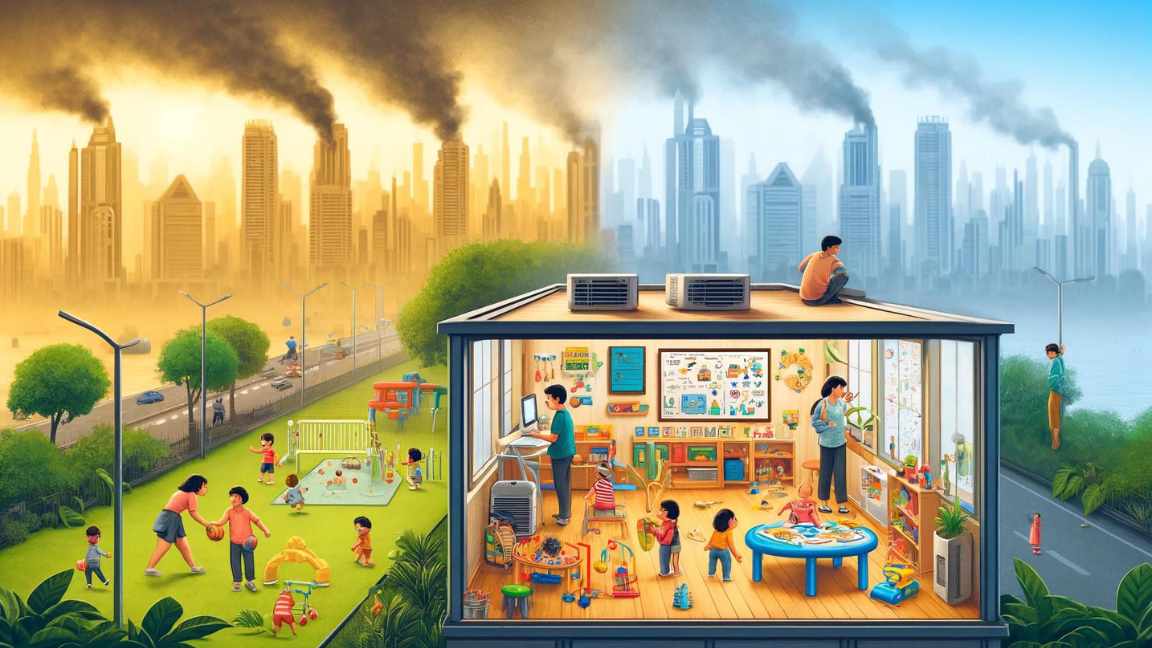
Mumbai, known for its bustling streets and vibrant life, also faces significant challenges with air pollution. The impact of Mumbai’s air quality affects early childhood development in ways that are subtle yet significant. This article explores how air quality in Mumbai impacts young children and offers practical advice for parents concerned about their children’s health and development, particularly those involved in early childhood education.
Understanding the Impact of Air Quality on Early Childhood Development
1. Respiratory Health Issues
Poor air quality in Mumbai has been linked to a range of respiratory issues in young children, including increased incidences of asthma, bronchitis, and frequent upper respiratory infections. Young children are particularly vulnerable because their respiratory systems are still developing, and they breathe more rapidly than adults, thereby inhaling more pollutants per pound of body weight.
2. Cognitive Development Delays
Recent studies suggest that long-term exposure to air pollution can adversely affect cognitive development in children. Pollutants like nitrogen dioxide and particulate matter can lead to neuroinflammation and oxidative stress, which may impair brain development and function, potentially leading to learning disabilities and delayed cognitive milestones.
3. Behavioral Changes
Exposure to high levels of air pollution has also been associated with increased behavioral problems in children. These can include symptoms of anxiety, depression, and attention deficits, which are thought to be linked to the neurological effects of pollutants.
What Can Parents Do?
Understanding the risks is the first step, but there are several proactive measures parents can take to mitigate the impact of poor air quality on their children’s development.
1. Monitor Air Quality
Parents should stay informed about the current air quality levels in Mumbai. Many apps and websites provide real-time air quality information. When air quality is particularly poor, it’s advisable to keep children indoors as much as possible to minimize exposure.
2. Create a Clean Indoor Environment
Ensuring that the indoor environment is as clean as possible can help reduce the risk of air pollution exposure. Use air purifiers with HEPA filters to remove particulate matter from indoor air. Regularly changing air filters in your home and maintaining cleanliness can also reduce indoor pollutants.
3. Boost Immunity and Overall Health
A diet rich in fruits and vegetables that contain antioxidants can help combat the oxidative stress caused by air pollution. Encouraging regular physical activity in cleaner, greener areas of the city can also support children’s respiratory and cognitive health.
4. Advocate for Cleaner Policies
Getting involved in community and city-level advocacy for cleaner air policies is a long-term solution that can benefit all children in Mumbai. Supporting initiatives for reduced vehicle emissions, increased green spaces, and stricter industrial pollution controls are crucial steps in improving air quality.
5. Choose Schools Wisely
For parents looking into preschools in Mumbai or other educational settings, consider the location and facilities of the school. Schools that have better air filtering systems and that are located away from major traffic thoroughfares can be preferable choices to minimize children’s exposure to pollutants.
Conclusion
Mumbai’s air quality affects early childhood development significantly, but with informed actions and community efforts, its impact can be mitigated. By taking steps to protect their children from air pollution, parents can help ensure healthier developmental outcomes. Additionally, by choosing the right preschools in Mumbai and advocating for environmental changes, parents can contribute to a healthier future for their children and for the city as a whole.
Also Check: Preschools in India