
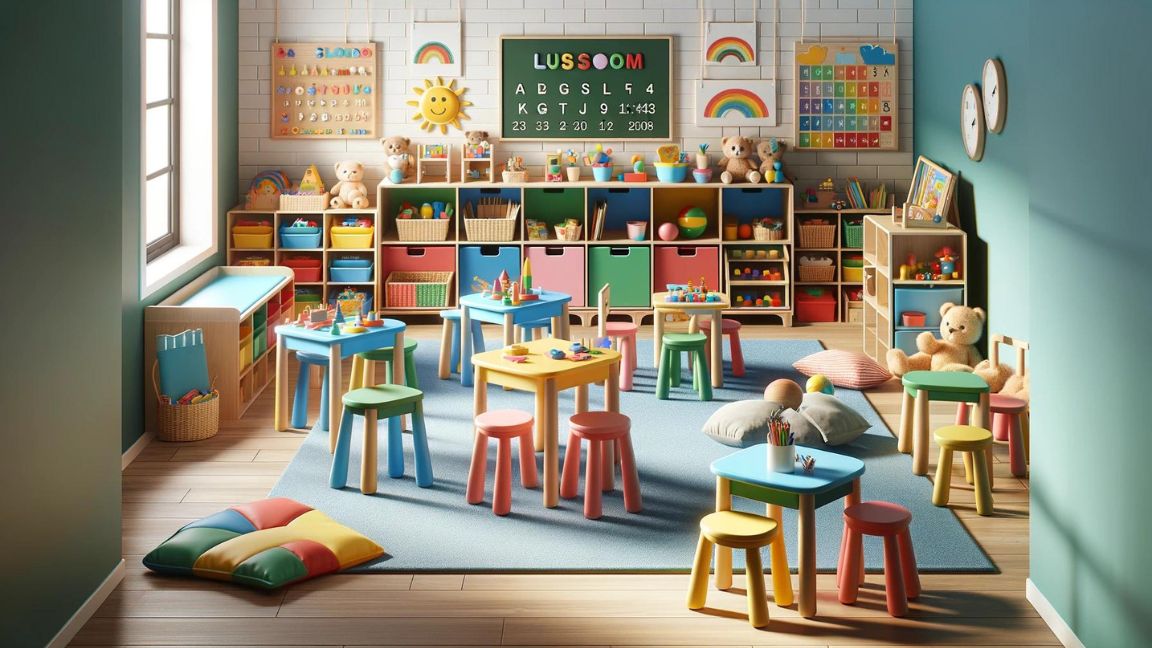
Selecting the appropriate play school furniture is a critical decision that educators and administrators of early childhood education facilities face. The right furniture not only supports the physical comfort and safety of young learners but also enhances the educational experience, promoting engagement and facilitating effective learning.
This guide aims to provide educators, especially those involved in a Play School Franchise, with insights and tips on choosing furniture that meets the unique needs of preschool-aged children. Additionally, the integration of technology, such as a school parent app, into the learning environment will also be discussed as a consideration in the selection process.
Understanding the Importance of Play School Furniture
The furniture in a play school serves as more than just physical structures. It plays a significant role in creating an environment that is conducive to learning and exploration for young children. Therefore, making informed choices about furniture is essential for fostering a nurturing and stimulating educational setting.
Key Considerations When Selecting Play School Furniture
- Safety and Durability: Safety is paramount in any educational setting. Choose furniture with rounded corners, made from non-toxic materials, and designed to withstand the energetic activities of young children.
- Ergonomics and Comfort: Furniture should be ergonomically designed to support the developing bodies of preschoolers, promoting good posture and comfort during various activities.
- Flexibility and Functionality: Opt for versatile furniture that can be used for multiple purposes, such as tables with adjustable heights or storage units that also serve as activity centers.
- Aesthetics and Stimulation: Bright colors and engaging designs can stimulate young minds and make the learning environment more inviting and fun.
- Accessibility and Inclusivity: Ensure that furniture is accessible to all children, including those with special needs, fostering an inclusive atmosphere where every child can participate fully.
Types of Play School Furniture to Consider
- Activity Tables and Chairs: Select sturdy tables and chairs that are the right size for preschoolers, allowing them to engage comfortably in activities.
- Storage Units: Choose storage solutions that are accessible to children, encouraging them to take responsibility for their belongings and learning materials.
- Nap and Rest Furniture: Invest in comfortable mats or cots that provide a cozy space for children to rest, essential for their physical and cognitive development.
- Play Centers: Incorporate furniture that doubles as play centers, such as kitchen sets, dollhouses, or construction zones, encouraging imaginative play.
- Outdoor Furniture: For schools with outdoor play areas, durable and safe outdoor furniture allows for a continuation of learning in a different environment.
Integrating Technology with Play School Furniture
In today’s digital age, integrating technology into the early childhood curriculum is becoming increasingly important. Furniture that accommodates technological devices, such as tablets or interactive screens, can enhance the learning experience. A school parent app can also be a valuable tool for educators and parents, providing a platform for communication and engagement with the child’s educational journey.
The Role of Play School Franchises and Play Schools in India
For educators involved in a Play School Franchise or operating play schools in India, selecting the right furniture is part of establishing a brand identity and ensuring consistency across multiple locations. It’s also an opportunity to differentiate the school by creating an environment that reflects educational philosophies and values.
Conclusion
Choosing the right play school furniture is a decision that significantly impacts the quality of education and the overall experience of young learners. By considering safety, ergonomics, flexibility, aesthetics, and the integration of technology, educators can create a stimulating and supportive learning environment. As play schools in India and globally continue to evolve, the thoughtful selection of furniture, coupled with innovative teaching methods and tools like the school parent app, will play a crucial role in shaping the future of early childhood education.
Frequently Asked Questions
Schools use a variety of furniture, including student desks and chairs, teacher desks, storage units for books and supplies, whiteboards or blackboards for instruction, and specialized furniture for labs and art rooms.
Classroom furniture encompasses items specifically designed for educational spaces, including seating for students and teachers, work surfaces like desks and tables, and storage and display solutions to facilitate learning.
Arranging furniture effectively is key for enhancing student engagement, ensuring ease of movement, accommodating different learning activities, optimizing the use of space, and minimizing distractions to improve focus.
Chairs are essential for providing students with comfortable, supportive seating that can help maintain good posture, reduce physical strain, and promote better concentration over longer periods.
Flexible classroom furniture refers to items designed for easy reconfiguration to support a variety of teaching styles and learning activities. This includes mobile and adjustable desks, chairs, and modular units that can be quickly rearranged.
The ideal material varies based on the specific needs and durability requirements. Wood, plastic, metal, and laminate are popular choices, offering a mix of durability, ease of maintenance, and aesthetic appeal.
Hardwoods such as oak, maple, and beech are favored for their strength and resilience, making them suitable for the demanding environment of schools. They provide long-lasting durability and can withstand frequent use.
Also Check: Head Start Preschool