
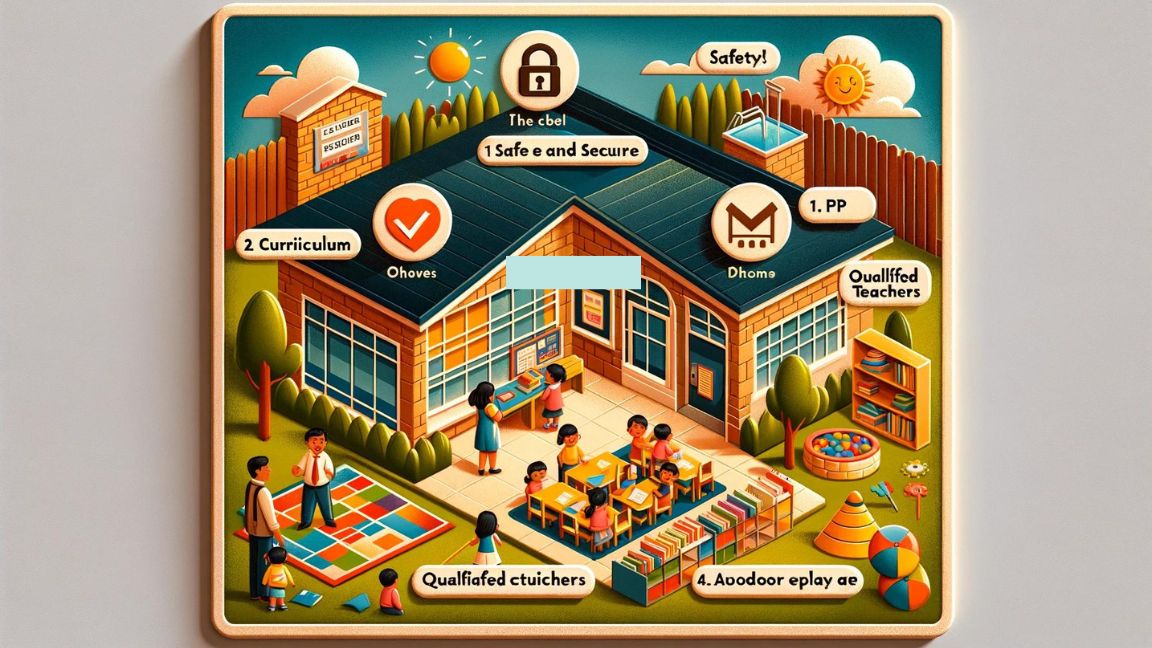
Noida Preschools Key Criteria
Choosing the best preschools in India for your child is a significant decision that can impact their early development and education. Noida, a bustling city in Uttar Pradesh, offers a range of preschool options, each with its unique features and teaching philosophies. To help parents make an informed choice, this comprehensive guide outlines key criteria to consider when evaluating Noida preschools.
1. Location and Accessibility
The first practical consideration when choosing a preschool is its location and accessibility. While it may seem like a minor detail, the proximity of the preschool to your home or workplace can significantly affect your daily routine and overall experience. A preschool that is conveniently located and easily accessible can save you time and make drop-off and pick-up more manageable.
Parents should also consider the traffic patterns and potential commute time to the preschool during rush hours. A shorter commute can reduce stress for both you and your child and allow for a smoother start and end to the school day.
2. Reputation and Accreditation
The reputation of a preschool within the local community is often a reliable indicator of its quality. Ask other parents in your network about their experiences with preschools in Noida. Online reviews and forums can also provide valuable insights into the reputation of various preschools.
Additionally, check if the preschool has any accreditations or affiliations with recognized educational bodies. Accreditation can be a strong indicator that the preschool meets certain standards of quality and follows a well-established curriculum.
3. Curriculum and Approach
Preschools in Noida may follow various educational philosophies and teaching approaches. It’s essential to understand the curriculum and approach of the preschool and determine if it aligns with your educational goals and values. Some common approaches include:
Play-Based Approach:
Play-based preschools emphasize learning through play and exploration. They provide children with opportunities to learn through hands-on activities and play experiences.
Montessori Method:
Montessori preschools follow the Montessori method, which focuses on child-led learning, independence, and self-discipline. Montessori classrooms are typically well-organized and designed to promote exploration and self-discovery.
Reggio Emilia Approach:
Preschools following the Reggio Emilia approach place a strong emphasis on art and creativity. They encourage children to express themselves through various forms of art and project-based learning.
Traditional Approach:
Some preschools may have a more traditional approach, focusing on early academic skills and structured lessons. They may introduce concepts such as reading and mathematics at an early age.
Understanding the approach of the preschool can help you choose one that aligns with your child’s learning style and your educational philosophy.
4. Facilities and Resources
When visiting preschools, take the time to assess the quality of the facilities and resources available to students. Adequate and well-maintained facilities can contribute to a positive learning environment. Consider the following factors:
Classrooms:
Are the classrooms clean, well-organized, and age-appropriate? Check if they have enough space for various activities.
Playgrounds:
Assess the outdoor play areas for safety and age-appropriate equipment. Outdoor play is an essential part of early childhood development.
Learning Materials:
Check if the preschool provides a variety of learning materials, including books, toys, and educational tools. A well-equipped preschool can offer diverse learning experiences.
Safety Measures:
Ensure that the preschool has appropriate safety measures in place, including secure entry and exit points, first aid facilities, and staff trained in emergency response.
5. Qualified and Trained Staff
The qualifications and training of the teaching staff are crucial factors in determining the quality of education your child will receive. Inquire about the credentials of the educators, including their educational backgrounds and certifications in early childhood education.
Experienced and well-trained teachers understand child development, can create a nurturing and stimulating environment, and know how to address the individual needs of each child. Ask about ongoing professional development opportunities for the staff to ensure they stay up-to-date with best practices in early childhood education.
6. Safety Measures
Safety should be a top priority in any preschool. Parents should inquire about the safety measures in place to protect their children. Consider the following aspects:
Secure Entry and Exit:
Preschools should have controlled entry and exit points to prevent unauthorized access. Visitors should be required to sign in, and only authorized individuals should be allowed to pick up children.
Emergency Response:
Staff should be trained in emergency response procedures, including fire drills, evacuation plans, and first aid. Inquire about the preschool’s emergency protocols.
Health and Hygiene:
Check if the preschool maintains a clean and hygienic environment. Adequate handwashing facilities and proper sanitation are essential for children’s health.
Ensuring that safety measures are in place can provide peace of mind for parents while their children are at preschool.
7. Student-to-Teacher Ratio
The student-to-teacher ratio in preschool classrooms can significantly impact the quality of education and individualized attention your child receives. Smaller class sizes generally allow for more one-on-one interaction between teachers and students, fostering a better learning experience. Inquire about the ideal class size and the actual ratio maintained by the preschool.
8. Parental Involvement
Consider the level of parental involvement encouraged by the preschool. Communication between parents and teachers is essential for tracking a child’s progress and addressing any concerns or questions. Look for preschools that provide opportunities for parent-teacher conferences, regular updates on your child’s activities and progress, and an open-door policy for parents to visit and engage with the classroom.
9. Extracurricular Activities
Preschool is not just about academics; it’s also an opportunity for children to explore various interests and talents. Check if the preschool offers a range of extracurricular activities such as art, music, sports, and cultural programs. These activities can contribute to a well-rounded education and allow children to discover their passions.
10. Reviews and Recommendations
Word of mouth and recommendations from other parents can be invaluable when evaluating preschools. Reach out to parents in your community, ask for their experiences, and read online reviews and testimonials. Personal anecdotes and insights from other families can provide a realistic picture of what you can expect from a particular preschool.
11. Cost and Fees
Understanding the cost structure of a preschool is essential for budgeting and financial planning. Inquire about tuition fees, registration fees, and any additional costs such as uniforms, field trips, or extracurricular activities. Ensure that the preschool’s fees fit within your budget and consider any available financial aid or scholarship options.
12. Philosophy and Values
Preschools often have their own educational philosophies and values. It’s important to consider whether these align with your family’s beliefs and principles. For example, some preschools may prioritize individualized learning, while others may emphasize group activities and socialization. Choose a preschool whose philosophy resonates with your family’s values.
13. Inclusivity and Diversity
An inclusive and diverse environment can enrich your child’s learning experience. Inquire about the preschool’s commitment to inclusivity, acceptance of diverse backgrounds, and efforts to promote diversity in their curriculum and activities. A preschool that celebrates diversity can help children develop empathy, understanding, and respect for others.
14. Cleanliness and Hygiene
The cleanliness and hygiene standards maintained within the preschool directly affect your child’s health and well-being. During your visit, observe the cleanliness of classrooms, play areas, restrooms, and dining facilities. Clean and well-maintained spaces are essential for a safe and healthy learning environment.
15. Trial Period
Some preschools offer a trial period or orientation for children to get accustomed to the new environment before enrolling full-time. This can be beneficial for both parents and children, as it allows them to assess if the preschool is the right fit.
16. Flexibility
Consider the preschool’s policies regarding attendance, holidays, and flexibility in case of unforeseen circumstances. A preschool that offers flexible attendance options and understands the challenges parents may face can make your experience more convenient.
17. Communication Channels
Effective communication between parents and preschool staff is essential. Inquire about the preschool’s communication channels, such as a dedicated school parent app, regular newsletters, and parent-teacher meetings. Transparent and consistent communication can help you stay informed about your child’s progress and activities.
In conclusion, choosing the right preschool in Noida requires careful consideration of various factors. The early years of education are crucial for your child’s development, and finding an ideal preschool that aligns with your family’s values and priorities is essential. Take the time to visit potential preschools, meet with staff, and ask questions to make an informed decision. By following these key criteria, you can select a preschool that provides a nurturing and enriching environment for your child’s educational journey.
Also Read: Preschool Wall Painting