
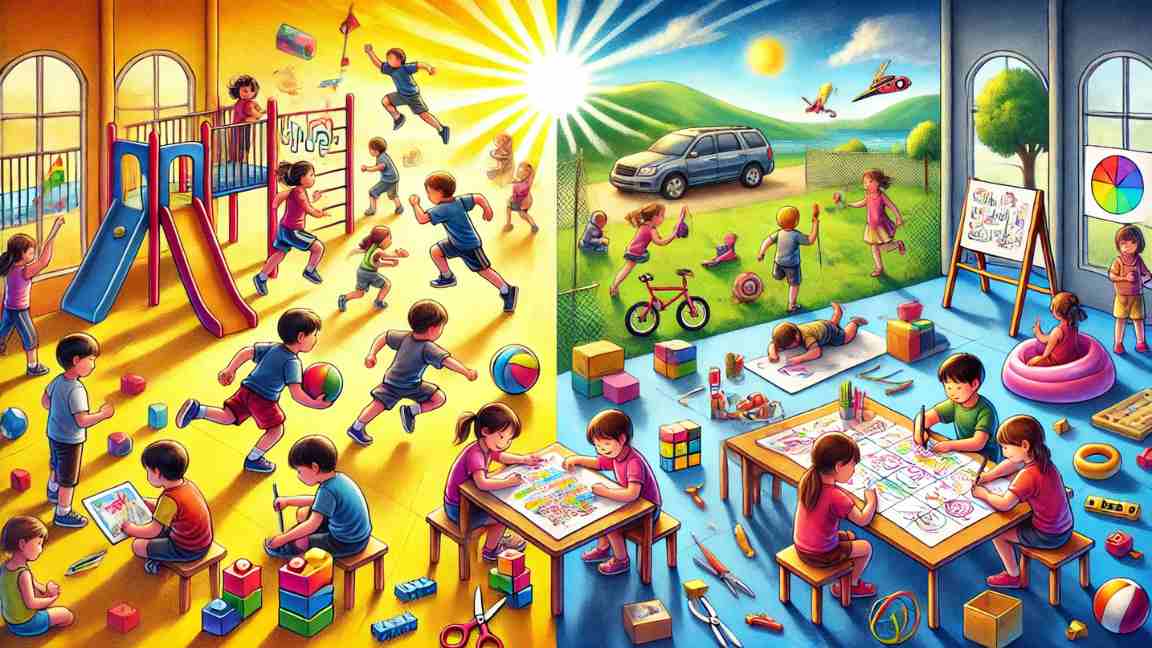
Motor skills are essential for performing everyday tasks and activities. From tying your shoes to playing sports, motor skills are involved in almost everything we do. What are motor skills, and why are they so important? This article provides a comprehensive understanding of motor skills, focusing on the two main types—gross motor skills and fine motor skills—and their significance in child development, learning, and overall well-being.
Motor skills are the foundation of physical coordination and movement, and their development plays a critical role in a child’s ability to interact with their environment, communicate, and learn new skills. Understanding the role of gross and fine motor skills can help parents, teachers, and caregivers support children in reaching their full potential.
What Are Motor Skills?
Motor skills are abilities that allow individuals to perform various physical movements. These skills are divided into two broad categories: gross motor skills and fine motor skills. Each type plays a unique role in a person’s development and daily life.
Motor skills involve a combination of cognitive processes, neurological functioning, and muscle coordination. Developing these skills is a gradual process that begins in infancy and continues into early childhood and adolescence. Motor skills impact an individual’s ability to interact with the world around them, whether they’re learning to walk, picking up objects, or writing.
Motor skills are crucial for independence, communication, and social interaction. Children who develop strong motor skills are often more confident in their physical abilities, which positively impacts their mental and emotional development.
Gross Motor Skills
Gross motor skills involve the large muscle groups in the body, such as the legs, arms, and torso. These skills are necessary for larger movements, such as walking, running, jumping, climbing, and throwing. Gross motor skills are essential for daily activities like playing sports, walking, riding a bike, or even just sitting and standing.
Examples of Gross Motor Skills:
- Walking and Running: The ability to walk and run efficiently is fundamental for mobility and social participation.
- Jumping and Hopping: These actions require coordination and strength in the legs, helping children engage in physical play and games.
- Climbing: Climbing activities, such as using playground equipment or climbing stairs, involve coordination and balance.
- Throwing and Catching: These movements involve arm and hand coordination with large muscle groups and help children engage in sports and games.
- Biking: Riding a bike helps develop both leg strength and balance.
The development of gross motor skills is closely linked to a child’s overall physical and cognitive development. Children typically begin developing these skills in infancy, with milestones such as rolling over, crawling, and sitting up. As they grow, they continue to improve their gross motor abilities through activities like walking, running, and playing outdoor games.
Why Gross Motor Skills Are Important:
- Physical Health: Strong gross motor skills are essential for physical fitness, strength, and endurance. They also contribute to better coordination and balance, which can reduce the risk of injury.
- Confidence and Independence: Mastering gross motor skills boosts a child’s confidence and helps them engage in physical activities independently.
- Social Interaction: Many activities, such as sports and group games, require strong gross motor skills. These skills enable children to interact with others in meaningful ways.
Also Check: Play Schools in Gurgaon
Fine Motor Skills
Fine motor skills involve smaller muscle movements, particularly those of the hands and fingers. These skills are necessary for tasks that require precision, such as writing, drawing, buttoning clothes, or using utensils. Fine motor skills also include activities like threading a needle or cutting with scissors.
Examples of Fine Motor Skills:
- Grasping and Holding Objects: The ability to hold a pencil, spoon, or cup is a fundamental fine motor skill.
- Writing and Drawing: These activities require the coordination of hand, finger, and wrist movements for accuracy and precision.
- Buttoning and Zipping: The ability to manipulate small fasteners like buttons and zippers involves finger dexterity and hand-eye coordination.
- Cutting with Scissors: Using scissors to cut along lines is a fine motor skill that requires control and precision.
- Eating with Utensils: Using a fork or spoon correctly is an important fine motor skill that is necessary for independent eating.
Fine motor skills are typically developed later than gross motor skills, with children acquiring the ability to perform smaller, more detailed movements. These skills begin to develop in infancy when babies start reaching for objects, holding toys, and experimenting with their hands. By the time they reach preschool age, children are able to perform more intricate tasks, such as drawing and writing.
Why Fine Motor Skills Are Important:
- Academic Success: Fine motor skills are crucial for writing, reading, and other academic tasks. Children who struggle with fine motor coordination may have difficulty completing homework or other written tasks.
- Daily Life Independence: Many daily activities, such as dressing, eating, and grooming, require fine motor coordination. Strong fine motor skills help children become more independent in these tasks.
- Self-Esteem: Successfully mastering fine motor tasks, like drawing a picture or writing their name, can boost a child’s self-esteem and sense of accomplishment.
Also Check: Play Schools in Pune
The Role of Motor Skills in Child Development
Motor skills are not only essential for physical development but also for cognitive, emotional, and social growth. The development of gross and fine motor skills is intertwined with other aspects of a child’s growth, including their ability to communicate, learn, and interact with others.
Cognitive Development:
Motor skills and cognitive development are closely linked. When children develop motor skills, they engage in activities that promote brain development. For example, physical activities like jumping and running stimulate brain regions responsible for problem-solving, coordination, and spatial awareness.
Emotional Development:
The mastery of motor skills, especially in early childhood, helps build confidence. When children can walk, run, and engage in activities like drawing or playing with toys, they feel empowered. This emotional confidence helps them build resilience and improve their social interactions.
Social Development:
Motor skills also play a crucial role in social interactions. Gross motor activities such as team sports and group play encourage cooperation, turn-taking, and communication. Fine motor skills, such as sharing materials for crafting or helping with tasks like setting the table, encourage children to participate in group activities and develop social bonds.
Supporting the Development of Motor Skills
Supporting the development of motor skills in children is essential for their overall growth and well-being. Here are some effective strategies for parents, caregivers, and educators to foster both gross and fine motor skills in children:
Encouraging Physical Activity:
- Outdoor play such as running, jumping, climbing, and cycling helps improve gross motor skills.
- Sports activities like soccer, basketball, or swimming engage large muscle groups and help develop coordination and balance.
Providing Fine Motor Opportunities:
- Drawing, coloring, and cutting can help children develop hand-eye coordination and finger strength.
- Building puzzles or using blocks can improve hand dexterity and spatial awareness.
- Engaging in daily tasks such as dressing, feeding, or helping in the kitchen encourages fine motor skill development.
Creating a Safe and Stimulating Environment:
- Safe play spaces where children can explore and move freely are important for gross motor development.
- Toys and materials such as building sets, craft materials, or sensory bins encourage both fine and gross motor skills.
Conclusion
Motor skills are vital for a child’s overall development, impacting everything from physical health to cognitive and social abilities. By supporting the development of both gross and fine motor skills, parents and caregivers can help children build confidence, independence, and resilience. With regular practice, children can develop the skills they need to thrive in daily life and educational settings. Understanding the importance of motor skills and actively encouraging their development sets a foundation for lifelong physical, emotional, and academic success.
Also Check: Best School Parent app
Frequently Asked Questions (FAQs)
Motor skills begin developing from birth. Gross motor skills start with basic movements like reflexes, head control, and rolling over in the first few months. Fine motor skills begin with simple actions like grasping objects and reaching out. By age 3, children begin developing more complex motor skills, such as walking, running, and using utensils.
To support the development of gross motor skills, encourage your child to engage in physical activities like running, jumping, climbing, and dancing. Outdoor play and participation in sports activities can significantly boost coordination and muscle strength.
Fine motor skills are crucial for performing tasks like writing, dressing, feeding, and playing musical instruments. Developing these skills helps children become more independent and confident in their abilities. It also supports academic success as they master handwriting and other classroom activities.
To improve fine motor skills, encourage activities such as drawing, coloring, playing with playdough, using scissors, and helping with household chores. These activities help develop finger strength and coordination.
Yes, delays in motor skill development can impact a child’s overall growth. Delays in gross motor skills may affect mobility, while delays in fine motor skills can impact handwriting and other academic tasks. Early intervention and support can help children overcome motor skill delays and achieve developmental milestones.
Also Read: Preschool Shape Activities and Crafts