
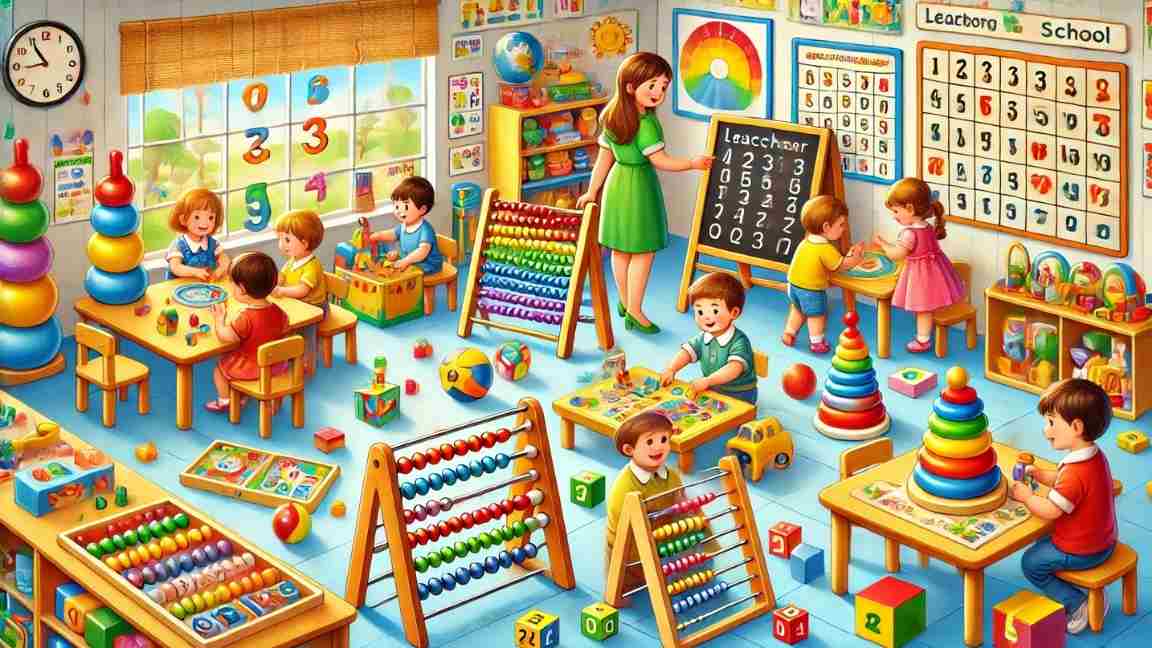
Toys and games have always been an integral part of childhood, but their significance goes far beyond entertainment. In the modern classroom, toys and games for learning in school have emerged as powerful tools to make education more interactive, engaging, and impactful. These tools foster creativity, enhance cognitive skills, and help children develop social and emotional intelligence. This essay delves into the importance of toys and games in education, their benefits, and how they transform learning into an enjoyable experience.
Importance of Toys and Games in Education
The traditional methods of teaching often rely heavily on rote memorization and repetitive exercises. While effective to some extent, they lack the dynamic engagement that toys and games can bring. Incorporating toys and games for learning in school bridges this gap, making abstract concepts tangible and relatable.
For instance, using building blocks to teach geometry or role-playing games to understand social interactions makes learning both fun and meaningful. Such methods ensure that children remain actively involved in the learning process, making it easier for them to grasp and retain knowledge.
Benefits of Using Toys and Games for Learning in School
- Enhanced Cognitive Development
Toys like puzzles, mazes, and word-building games challenge children to think critically and solve problems. They encourage logical reasoning, enhance memory, and stimulate intellectual curiosity. - Improved Motor Skills
Activities involving toys such as clay modeling, building blocks, or drawing tools improve fine motor skills. Similarly, outdoor games help develop gross motor skills, balance, and coordination. - Social and Emotional Growth
Group games teach children the value of teamwork, sharing, and empathy. Role-playing toys like doctor sets or kitchen sets allow children to express their emotions and understand the perspectives of others, building emotional intelligence. - Interactive Learning
Educational toys like counting beads, flashcards, or STEM kits bring abstract concepts to life. For example, an abacus can make learning addition and subtraction easier and more enjoyable. - Stress Relief and Increased Engagement
Incorporating play in education reduces the pressure associated with traditional learning methods. Children feel more relaxed and motivated, creating a positive association with education.
Examples of Effective Toys and Games in Schools
- Abacus for Mathematics
- Children learn counting, addition, and subtraction visually and interactively.
- It develops both fine motor skills and logical thinking.
- LEGO Kits for Creativity
- Encourages imagination as children build structures and models.
- Develops problem-solving skills and spatial awareness.
- Role-Playing Games
- Toys like kitchen sets and doctor kits teach real-life scenarios.
- Children learn about professions, social roles, and empathy.
- Puzzles and Mazes
- Enhance critical thinking and improve focus.
- Teach children how to break down complex problems into smaller steps.
- Outdoor Activities
- Games like treasure hunts and relay races foster teamwork and physical fitness.
- They teach children to strategize and work collaboratively.
My Personal Experience
As a teacher, I’ve seen the transformative power of toys and games for learning in school. One memorable experience was with Aarav, a student who found mathematics daunting. When I introduced him to an abacus, his attitude toward the subject changed completely. Within weeks, he was solving addition and subtraction problems confidently and even helping his peers.
Similarly, Meera, a shy student, found her voice through role-playing activities. During a “market day” exercise using a shopkeeper set, she interacted enthusiastically with her classmates, building both her social skills and self-esteem. These experiences reinforced my belief in the effectiveness of toys and games as educational tools.
Also Check: School Parent app
Challenges in Using Toys and Games
While the benefits are numerous, implementing toys and games for learning in school can come with challenges:
- Resource Availability: Not all schools have the budget to procure educational toys and games.
- Teacher Training: Educators need proper training to integrate these tools effectively into the curriculum.
- Balance with Academics: Finding the right balance between play-based learning and traditional methods is essential to ensure academic rigor is maintained.
Conclusion
Toys and games are not just for play; they are indispensable tools for modern education. From fostering cognitive and motor skills to building emotional and social intelligence, their impact on a child’s development is profound. By integrating toys and games for learning in school, we can create a more engaging, inclusive, and effective learning environment.
In my experience, children like Aarav and Meera have thrived in classrooms that embrace these methods, proving that education can indeed be both fun and enriching. Let us continue to explore and implement these innovative approaches to ensure that every child loves learning and grows to their fullest potential.
Which toy or game will you introduce first in your classroom? Share your experiences and inspire others!
Also Read: Education is a Child Rights Essay