
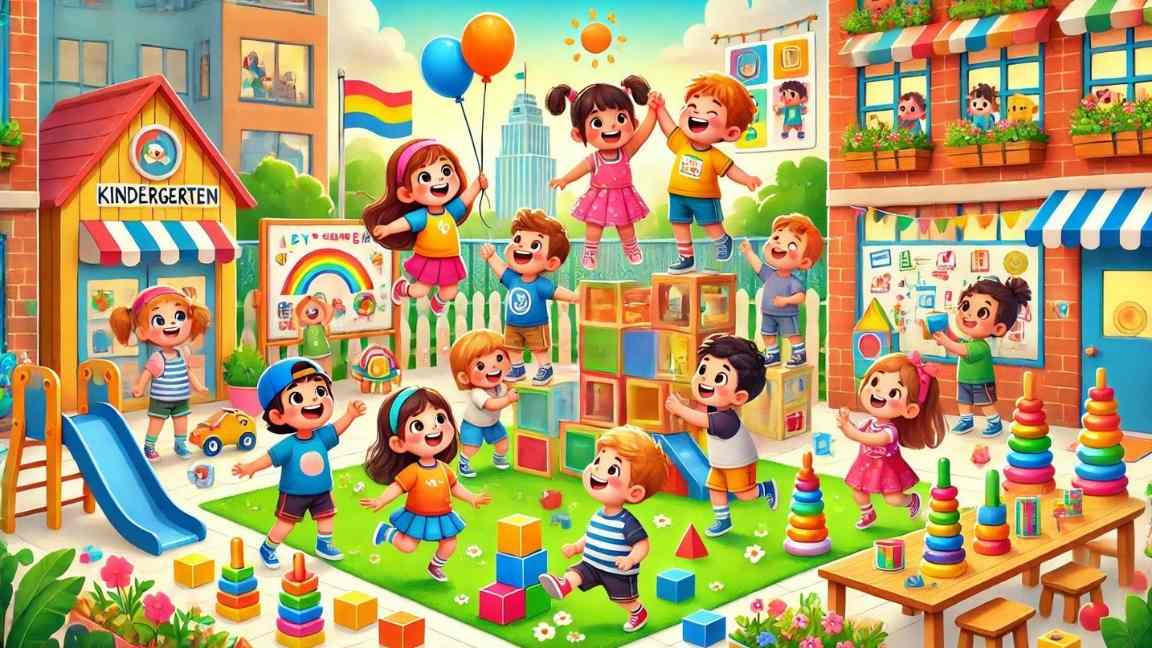
Teaching young children about the concepts of “tall” and “short” is a vital part of their early education. Understanding these concepts aids in developing spatial awareness, measurement skills, and descriptive language. Engaging in tall and short activities for kindergarten not only makes learning enjoyable but also helps children grasp these fundamental ideas in a meaningful way. In this article, we will explore various activities that kindergarten teachers and parents can use to teach children about height through interactive play and hands-on learning experiences, along with personal anecdotes that illustrate their effectiveness.
Importance of Teaching Tall and Short Concepts
1. Foundational Math Skills
Understanding the concepts of tall and short is foundational for developing measurement skills, which are crucial in early math. Children learn to compare heights, which is a basic skill that leads to more advanced mathematical concepts, such as length and volume.
2. Language Development
Introducing the vocabulary of height helps children enhance their language skills. They learn descriptive words like “tall,” “short,” “taller than,” and “shorter than,” which enrich their vocabulary and improve their communication skills.
3. Critical Thinking
Engaging in activities that involve comparing heights encourages children to think critically and solve problems. They learn to make observations, draw conclusions, and express their reasoning about what they see.
4. Physical Development
Many activities that explore tall and short concepts require physical movement, enhancing gross motor skills. Activities such as stacking blocks or arranging objects by height engage children physically and cognitively.
5. Everyday Relevance
The concepts of tall and short are relevant in daily life. Children frequently encounter these concepts when interacting with their environment, such as comparing their height to that of friends or recognizing the sizes of objects around them.
Also Check: Preschools in Mumbai
Best Tall and Short Activities for Kindergarten
Here are some engaging tall and short activities for kindergarten that can keep children entertained and learning while helping them explore these concepts:
1. Height Measurement with Friends
Description:
This activity allows children to measure the height of their classmates and compare results, making the concept of height tangible and relatable.
How to Implement:
- Have children line up against a wall or door frame and use a measuring tape or ruler to measure each child’s height.
- Record the measurements on a large chart or graph. Afterward, facilitate a discussion about who is the tallest and who is the shortest, encouraging the use of vocabulary related to height.
Benefits:
This activity not only helps children understand measurement but also fosters social interactions as they engage with their peers. It also introduces basic data collection and comparison, laying the groundwork for future mathematical concepts.
Personal Experience:
I implemented this activity in my class, and the excitement was palpable as they eagerly waited for their turns. Once we compiled the data, we made a colorful height chart that we hung in the classroom. The kids loved referring to it throughout the week, and it sparked conversations about their growth and development.
2. Building a Tall and Short Block Tower
Description:
Children can use building blocks to create towers of different heights, allowing them to experiment with the concepts of tall and short in a hands-on way.
How to Implement:
- Provide a variety of blocks in different sizes and challenge children to build the tallest tower they can, then to build the shortest tower possible.
- Once completed, ask the children to compare their towers, discussing which is taller or shorter and how they achieved those heights.
Benefits:
This activity enhances fine motor skills and promotes creative problem-solving as children strategize on how to balance their blocks effectively. It also reinforces the concepts of height and measurement in a fun, interactive manner.
Personal Experience:
In one activity, I encouraged my students to work in pairs to create their tallest and shortest towers. The friendly competition inspired them to strategize, and they came up with innovative ways to balance the blocks. Their laughter and excitement made it a memorable learning experience, and they learned valuable teamwork skills in the process.
Also Check: Preschools in Delhi
3. Nature Walk Comparisons
Description:
Taking children on a nature walk allows them to observe tall and short plants, trees, or structures, connecting classroom learning with real-world experiences.
How to Implement:
- Go outside and identify various plants, trees, or even playground equipment. Encourage children to compare their heights to those of the objects around them.
- Discuss why some plants might grow taller than others and how rain and sunlight affect their growth.
Benefits:
This activity promotes observation skills and helps children connect classroom learning to the real world. It encourages them to be curious about their surroundings and fosters a love for exploration.
Personal Experience:
During a nature walk, I guided my students to notice the different heights of trees and plants. We had discussions about why some plants might grow taller than others and what factors influence their growth. This real-world application made the concepts of tall and short more tangible and exciting for the kids.
4. Art Activity: Tall and Short Creatures
Description:
Encourage children to create tall and short versions of animals or characters through art.
How to Implement:
- Provide art supplies like construction paper, markers, scissors, and glue. Ask children to draw or cut out pictures of animals or characters, making sure to create both tall and short versions.
- Have them label their creations with words that describe their sizes, using terms like “tall giraffe” and “short rabbit.”
Benefits:
This activity fosters creativity while reinforcing the concepts of tall and short. It also provides an opportunity for children to express themselves artistically and verbally, developing their storytelling abilities.
Personal Experience:
In my class, we turned this art project into a fun display called “The Tall and Short Zoo.” Children loved presenting their creations, and it sparked interesting conversations about different animals’ sizes. It was wonderful to see how they used their imagination while grasping the concepts we discussed.
5. Sorting and Classifying
Description:
Using various classroom items to sort them into tall and short categories enhances children’s critical thinking and observational skills.
How to Implement:
- Provide a collection of classroom items (like crayons, books, and building blocks) and ask children to sort them into two groups: tall and short.
- Encourage them to explain their reasoning for each choice, prompting them to use height-related vocabulary in their descriptions.
Benefits:
This activity reinforces the concept of height while promoting critical thinking. Children learn to articulate their thoughts and engage in discussions with their peers, fostering communication skills.
Personal Experience:
During a sorting activity, I observed children having lively discussions about their choices. One child picked a tall crayon and a short crayon, explaining, “This one is taller because it’s longer.” Their enthusiasm for comparing items helped solidify their understanding of the concepts in an engaging way.
6. Measurement Station
Description:
Set up a measurement station where children can use various tools to measure the height of different objects around the classroom.
How to Implement:
- Provide rulers, measuring tapes, and even string for children to measure the heights of objects they choose. Encourage them to find and measure items, recording which are tall and which are short on a chart.
- After they measure, discuss the results and have them compare their findings with their peers.
Benefits:
This activity teaches practical measurement skills while reinforcing the concepts of tall and short. It also encourages children to explore their environment and engage in hands-on learning.
Personal Experience:
During our measurement station activity, the kids were excited to measure everything from their friends to classroom furniture. The enthusiasm they showed while using the measuring tools and recording their findings was infectious. It also led to great discussions about how tall they were compared to their friends, making it a personal and relatable experience.
7. Puppet Show: Tall and Short Characters
Description:
Create a puppet show featuring characters defined by their heights, which allows children to express their understanding of tall and short through performance.
How to Implement:
- Provide materials to create puppets (e.g., paper bags, socks, or felt) and instruct children to make both tall and short puppets.
- Encourage them to create a short play where the characters interact based on their heights, using descriptive language to emphasize their differences.
Benefits:
This activity promotes creativity, storytelling, and collaboration. Children learn to express ideas through performance while reinforcing the concepts of tall and short in a fun and imaginative way.
Personal Experience:
I organized a puppet show where children created characters of varying heights. It was amazing to see their creativity come to life, and the narratives they developed emphasized the importance of height differences in their stories. Their engagement and excitement made the activity a highlight of our week!
8. Tall and Short Songs and Rhymes
Description:
Introduce songs and rhymes that emphasize the concepts of tall and short, providing a fun and memorable way to reinforce learning.
How to Implement:
- Use songs like “The Itsy Bitsy Spider” and modify the lyrics to include tall and short themes. For example, “The very tall tree” or “The tiny short flower.”
- Encourage children to act out the songs, using their bodies to demonstrate tall and short positions.
Benefits:
Music and movement activities enhance memory retention through rhythm and repetition. They also promote physical movement, making learning dynamic and fun.
Personal Experience:
Incorporating songs into our lessons has always been a favorite among my students. The energy during these song sessions is infectious! When we sang a modified version of “The Itsy Bitsy Spider,” the children enjoyed acting it out. They would stretch up high for “tall” and crouch down for “short.” This kinesthetic learning approach made the concepts memorable and enjoyable!
Also Check: School Parent app
9. Story Time with Tall and Short Themes
Description:
Choose books that highlight the themes of tall and short characters or objects to help children relate to the concepts in a narrative context.
How to Implement:
- Read books like “The Tall Book of Fairy Tales” or “Short Stories for Short People.”
- After reading, encourage children to discuss the characters and relate them to their own experiences with height, asking questions about which characters they identify with the most.
Benefits:
This activity promotes listening comprehension and allows children to connect stories to real-life experiences. Discussing characters helps reinforce the concepts in a fun and engaging way.
Personal Experience:
Reading stories centered around tall and short characters sparked great conversations in my class. One child excitedly compared a tall character to their own height, creating a sense of connection and relevance to the material. This discussion deepened their understanding and made the stories even more engaging.
10. Crafting Raindrops and Measurement
Description:
Create a craft project that involves making raindrops, allowing children to explore the concept of height while creating something fun.
How to Implement:
- Provide blue construction paper, scissors, and string to cut out raindrop shapes.
- Encourage children to create both tall and short raindrops and hang them from a display area to create a “rain curtain” in the classroom.
- Discuss how rain falls from clouds and the differences in raindrop sizes.
Benefits:
This craft fosters creativity while reinforcing the concepts of tall and short. It also provides an opportunity for children to express themselves artistically and verbally, developing their storytelling abilities.
Personal Experience:
When I introduced this raindrop craft during a rainy day, the children loved it. They enjoyed cutting out different shapes and decorating them with markers and glitter. We hung their creations in the classroom, creating a beautiful rain curtain that brightened our space and served as a daily reminder of the season. The kids felt proud to see their work on display, and it sparked discussions about the importance of rain in nature.
Conclusion
Incorporating engaging tall and short activities for kindergarten into your teaching or parenting can enrich the learning experience while keeping children entertained indoors. From hands-on experiments to creative art projects, these activities provide opportunities for children to explore the world around them, develop essential skills, and foster a love for learning.
Through my experiences, I have found that rainy days can be transformed into memorable moments of joy and discovery with the right activities. By creating a fun, interactive environment, we can help young learners thrive, regardless of the weather outside. Encourage exploration, creativity, and critical thinking, and watch as children embrace the concepts of tall and short with excitement and enthusiasm!
Use everyday objects of different heights (like blocks or stuffed animals) to sort into “tall” and “short.” Incorporate activities like measuring each other’s heights and reading books that illustrate these concepts, such as “Tall” by Jez Alborough.
Gather objects of varying lengths (like pencils or ribbons) and have children line them up from longest to shortest. Use measuring tools and engage in art activities to reinforce the concepts. Reading books like “Long and Short” by Karen K. Hargrove can also help.
The objective is to help children understand measurement and comparisons, enhancing their vocabulary and reasoning skills while building a foundation for future math concepts.
Long examples include a spaghetti noodle or a piece of rope, while short examples could be a paperclip or a matchstick. Encourage children to find their own examples around them.
Also Read: Activities for Nursery Class