
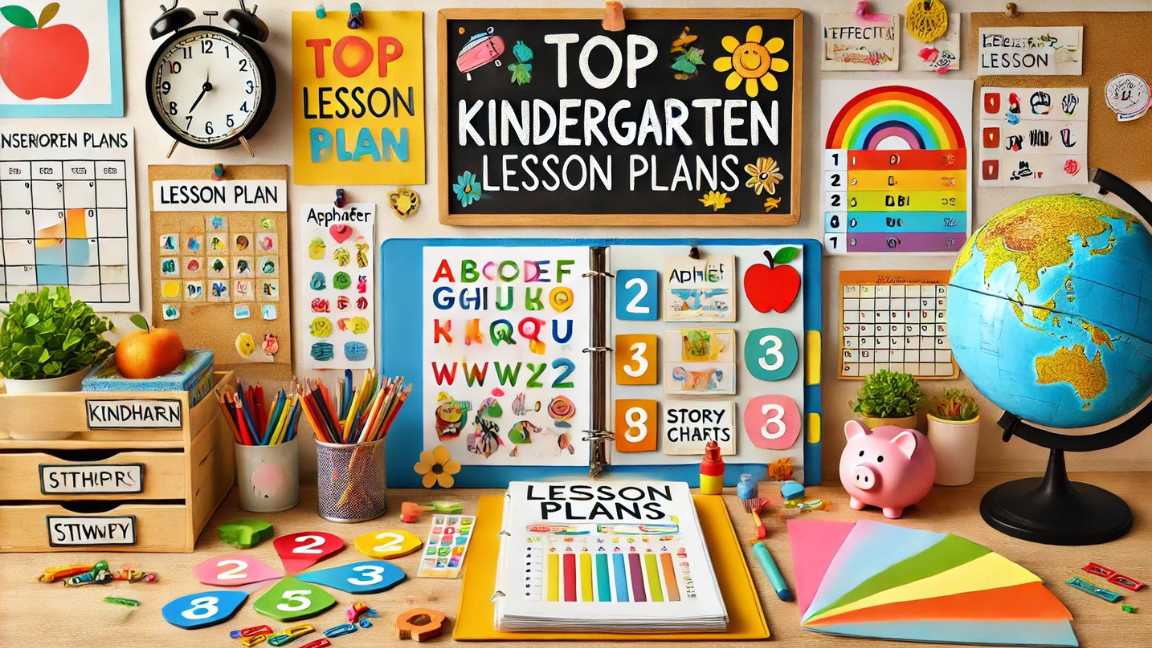
Creating effective Kindergarten Lesson Plans is crucial for fostering a dynamic and engaging learning environment. These plans should be adaptable, student-centered, and aligned with educational goals. Here are ten well-crafted lesson plan ideas that have proven successful in various classroom settings.
Kindergarten Lesson Plans
1. Alphabet Adventure
- Objective: Enhance letter recognition and phonemic awareness among kindergarten students.
- Materials Needed: Alphabet flashcards, letter magnets, books with large letters, and a large alphabet rug.
- Activity Description: Begin with a storytelling session where each letter has its character and sound. Follow this with a treasure hunt where students find objects that start with the specific letters around the classroom. Finally, bring the students together to match these objects with the letter on the alphabet rug.
- Experience: This activity was a huge success in my classroom. Students were not only able to identify letters but also associate them with everyday objects. The treasure hunt aspect kept them engaged and excited, making learning interactive and fun.
2. Number Sense and Counting
- Objective: Develop number recognition, counting skills, and understanding of basic math concepts.
- Materials Needed: Number blocks, counting beads, picture books with numbers, and a number chart.
- Activity Description: Start by reading a book that incorporates numbers into its story. Next, use number blocks to demonstrate counting and simple addition. Allow students to use counting beads to match the numbers. Finish with a group counting game, where each student gets to count aloud as they add beads to a string.
- Experience: This method helped students not just recognize numbers but also understand their value through hands-on practice. I found that the physical act of adding beads to a string made abstract concepts more concrete for the children.
3. Exploring Shapes and Colors
- Objective: Teach students to identify and categorize shapes and colors.
- Materials Needed: Shape cutouts, colored papers, crayons, glue, and shape sorting trays.
- Activity Description: Introduce the lesson with a colorful shape-themed story. Follow this with a sorting activity where children place colored shapes into matching trays. Next, let the students create a collage using the shapes and colors they have learned about.
- Experience: The hands-on nature of this lesson allowed the children to physically interact with shapes and colors, enhancing their understanding. The art project at the end gave them a chance to express creativity while reinforcing the lesson.
Also Check: School Parent app
4. Seasons and Weather Watch
- Objective: Introduce students to the concept of seasons and weather patterns.
- Materials Needed: Weather charts, season-themed books, craft supplies (cotton balls, colored paper), and a calendar.
- Activity Description: Start by discussing the four seasons using visual aids. Use the weather chart to track daily weather, and ask the students to draw what they see outside. Incorporate a craft activity where students create seasonal scenes using various materials.
- Experience: Students became more aware of their surroundings and could identify seasonal changes. The daily weather tracking also fostered responsibility as they took turns being the “weather reporter” for the class.
5. Five Senses Exploration
- Objective: Help students understand how their five senses work together to perceive the world.
- Materials Needed: Objects with different textures, scents, sounds, and flavors; blindfolds; and a “mystery box.”
- Activity Description: Introduce each sense with a brief explanation and examples. Use the mystery box where students, while blindfolded, identify objects using touch, smell, or hearing. Follow this with a tasting session where students guess flavors (sweet, salty, etc.).
- Experience: This sensory-rich lesson captivated the students. They were especially intrigued by the mystery box, which sharpened their sensory perception and taught them to rely on all their senses to explore the world.
6. Planting and Growing
- Objective: Teach students about plant life cycles and the importance of caring for living things.
- Materials Needed: Seeds, soil, small pots, watering cans, and growth charts.
- Activity Description: Begin with a story about plants. Then, guide students through planting their seeds in small pots. Over the following weeks, involve them in watering and tracking the growth of their plants. Discuss what plants need to grow and how they contribute to our environment.
- Experience: Watching their plants grow from seeds to sprouts was an incredibly rewarding experience for the students. It taught them responsibility and patience, and they loved the daily ritual of checking on their plants.
7. Community Helpers Week
- Objective: Introduce students to different community helpers and the roles they play.
- Materials Needed: Costumes, props, picture books, and role-playing scripts.
- Activity Description: Each day, focus on a different community helper, such as firefighters, doctors, or teachers. Use costumes and props for role-playing activities. Invite a local community helper to speak to the class and answer questions.
- Experience: The role-playing activities were a hit, allowing students to experience different professions firsthand. Having a real community helper visit brought the lesson to life, making it more relatable and inspiring.
8. Music and Movement
- Objective: Encourage physical activity while teaching rhythm and coordination.
- Materials Needed: Musical instruments, a variety of music genres, and an open space for movement.
- Activity Description: Start with a warm-up session where students move to the rhythm of the music. Introduce basic musical instruments and let them explore the sounds. Encourage them to create their own rhythms and movements, leading to a group performance.
- Experience: The combination of music and movement allowed students to express themselves freely. They developed a sense of rhythm and coordination, and the final group performance was a joyful celebration of their newfound skills.
Also Check: Preschools in Chennai
9. Story Retelling with Puppets
- Objective: Improve comprehension and verbal skills through storytelling.
- Materials Needed: Puppets, storybooks, and a small stage or storytelling area.
- Activity Description: After reading a story to the class, encourage students to retell the story using puppets. This can be done individually or in small groups, allowing them to work on their narrative skills.
- Experience: Students were eager to take on different roles and retell the stories in their own words. This activity boosted their confidence and helped them understand story structure and character development.
10. Cultural Celebrations
- Objective: Foster cultural awareness and appreciation.
- Materials Needed: Cultural artifacts, music, food samples, and craft supplies.
- Activity Description: Choose a different culture to celebrate each week. Discuss the traditions, food, and music of that culture. Engage students in a related craft activity, such as making traditional art or trying simple recipes.
- Experience: This lesson broadened students’ horizons and taught them to appreciate diversity. The hands-on crafts and food tastings were particularly engaging, making the cultural lessons more tangible and memorable.
Conclusion
Incorporating these Kindergarten Lesson Plans into your classroom can greatly enhance the learning experience for young students. Each plan is designed to be engaging, educational, and adaptable to different learning styles. By using a mix of storytelling, hands-on activities, and interactive play, teachers can create a dynamic and supportive learning environment where every child can thrive.
Also Check: Assure Model Lesson Plan For Kindergarten