
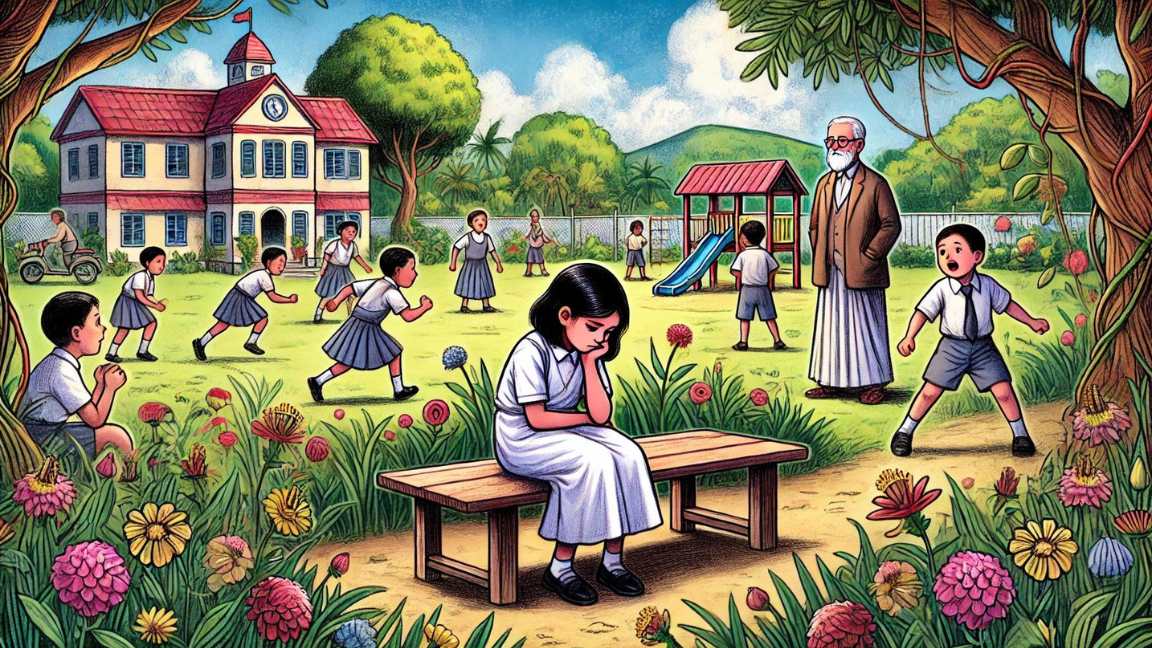
Kamala Das’s poem “Punishment in Kindergarten” is a reflective piece that explores the theme of childhood trauma and the lasting impact of seemingly small incidents. Through this poem, Das recounts a specific memory from her kindergarten days that left a deep emotional scar. This punishment in kindergarten summary of the poem will help parents and teachers understand the essence of the poem and its significance.
The poem begins with the adult narrator reflecting on a painful memory from her kindergarten days. The incident involves a public scolding by her teacher for not playing with other children. The poet recalls being singled out and reprimanded, which made her feel isolated and humiliated. This punishment in kindergarten becomes a pivotal moment in her young life, shaping her feelings of alienation.
Throughout the poem, Das contrasts her current self with her younger self, emphasizing how the memory of the punishment in kindergarten has lingered. She describes the other children as carefree and joyful, oblivious to her distress. This juxtaposition highlights her sense of being different and misunderstood, a theme that resonates deeply in the poem.
As the poem progresses, Das shifts from recounting the event to reflecting on its emotional impact. She acknowledges that while the incident happened long ago, the feelings of shame and loneliness have remained with her. This enduring emotional response underscores the lasting effects of childhood experiences and the punishment in kindergarten summary captures this poignantly.
Also Check: Patriotic Poem for Kindergarten
The poem’s language and imagery evoke a strong sense of place and time, transporting the reader to the scene of the incident. Das’s use of vivid descriptions and sensory details helps convey the intensity of her emotions. For example, she describes the “blue-frocked women” (the teachers) and the “flowers” in the garden, creating a vivid backdrop for the traumatic event.
In the final lines of the poem, Das offers a sense of closure and resilience. She reflects on how she has grown and changed since that day, suggesting that while the memory still holds power, it no longer defines her. This transformation from vulnerability to strength is a key aspect of the punishment in kindergarten summary and adds depth to the poem’s message.
In conclusion, “Punishment in Kindergarten” by Kamala Das is a powerful exploration of childhood trauma and its long-term effects. The poem captures the essence of a formative experience, highlighting themes of isolation, memory, and resilience. By understanding the punishment in kindergarten summary, parents and teachers can gain insight into the emotional landscape of children and the profound impact of their early experiences.
Key Themes and Messages
- Isolation and Alienation: The poem emphasizes the feelings of being different and misunderstood, which are central to the young narrator’s experience.
- Memory and Trauma: Das highlights how childhood incidents can leave lasting emotional scars, shaping one’s sense of self and relationships.
- Resilience and Growth: Despite the lingering pain, the poem concludes on a note of resilience, showing the narrator’s strength and growth over time.
Understanding the punishment in kindergarten summary helps to appreciate the depth of Kamala Das’s work and its relevance in discussions about childhood experiences and emotional development.
Frequently Asked Questions
The central idea of Kamala Das’s “Punishment in Kindergarten” is the lasting emotional impact of a childhood experience where the poet felt isolated and hurt after being scolded by a teacher and ridiculed by her classmates. The poem reflects on the pain of that moment and contrasts it with her current sense of self and independence.
- Imagery: Vivid descriptions of the kindergarten scene.
- Contrast: Between the carefree play of other children and the speaker’s emotional hurt.
- Symbolism: The teacher (authority) and flowers (innocence).
- Repetition: Emphasizing the speaker’s growth and healing.
- Tone: Nostalgic, reflective, and somewhat bitter.
- Alliteration: Creating a musical quality to the poem.
The major themes in Kamala Das’s poetry include:
Personal and Emotional Expression: Her work often reflects personal experiences, emotions, and the inner life of the poet.
- Identity and Self: Exploration of the self, especially in relation to gender, sexuality, and societal expectations.
- Love and Relationships: Complex and often painful reflections on love, desire, and relationships.
- Loneliness and Isolation: Frequent depictions of emotional isolation and the search for connection.
- Cultural and Social Critique: Critique of traditional societal norms, especially those related to women’s roles and freedoms.
“Punishment in Kindergarten” by Kamala Das is a reflective poem that captures a significant childhood memory. The poem uses vivid imagery and emotional contrast to depict the pain of being scolded and ridiculed. The reflective tone shows how this experience impacted the poet’s sense of self. Poetic devices like imagery, contrast, and repetition enhance the poem’s emotional depth, illustrating themes of childhood innocence and emotional resilience.
In “Punishment in Kindergarten,” the classmates were playing and having fun, unaware of the speaker’s emotional distress. They were carefree and joyful, contrasting with the speaker’s feelings of isolation and hurt after being scolded by the teacher and mocked by them.
Also Check: Preschool in India