
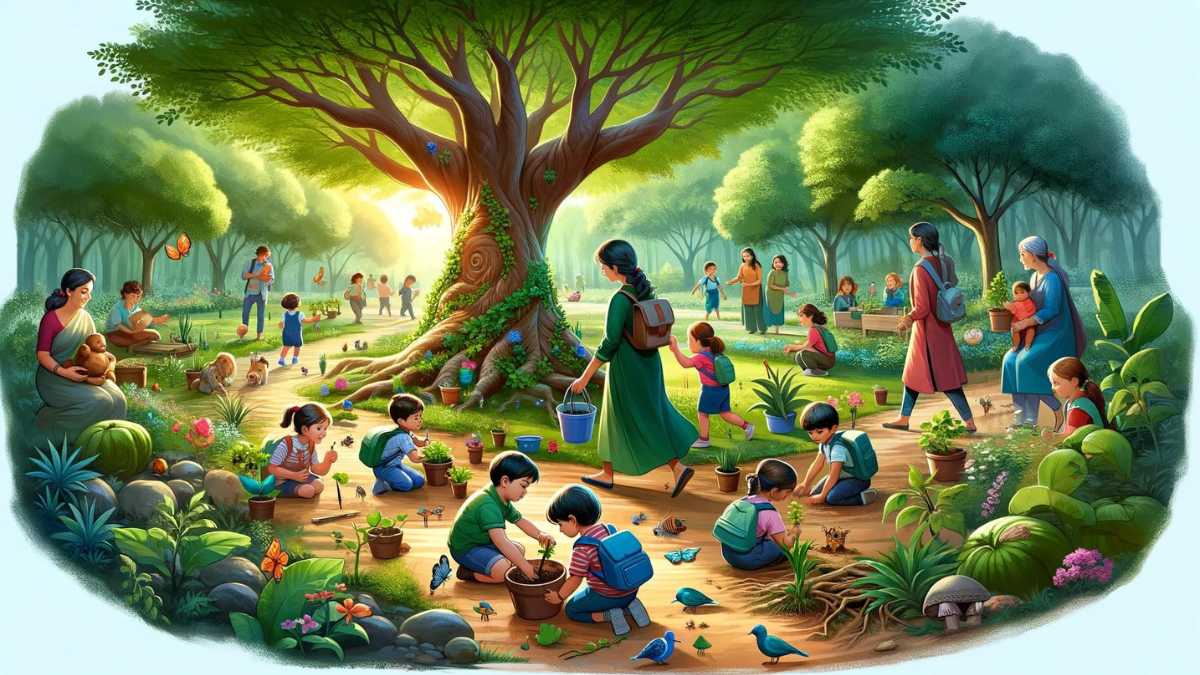
Bangalore, known for its lush greenery and pleasant climate, offers an ideal setting for incorporating nature into early childhood education. The concept of eco-education for toddlers in Bangalore is gaining popularity as educators and parents recognize the numerous benefits of connecting young children with nature. This article explores the importance of eco-education, the role of preschools, and how technology can enhance these efforts.
The Importance of Eco-Education
Eco-education, or environmental education, focuses on teaching children about the natural world through direct interaction with their surroundings. This approach is particularly beneficial for toddlers, who are naturally curious and eager to explore. Eco-education fosters a sense of wonder and respect for nature, which can lead to lifelong environmental stewardship. Additionally, it supports the holistic development of children by enhancing their cognitive, emotional, and physical growth.
Benefits of Eco-Education for Toddlers
1. Cognitive Development
Engaging with nature stimulates curiosity and critical thinking in toddlers. Activities like observing insects, planting seeds, and exploring different textures help develop problem-solving skills and scientific understanding. These hands-on experiences are more impactful than traditional classroom learning, as they involve active participation and sensory exploration.
2. Emotional and Social Growth
Nature-based activities promote emotional well-being and social skills. Spending time outdoors can reduce stress and anxiety, fostering a sense of calm and happiness. Group activities, such as nature walks and garden projects, encourage cooperation and communication among children, helping them build strong social bonds.
How Preschools in Bangalore Are Embracing Eco-Education
1. Outdoor Classrooms
Many preschools in Bangalore are creating outdoor classrooms where children can learn amidst nature. These spaces are designed with natural elements like trees, rocks, and water features, providing a dynamic learning environment. Activities such as storytime under a tree, art projects with natural materials, and science experiments in the garden are common in these settings.
2. Eco-Friendly Practices
Preschools in India are also adopting eco-friendly practices to model sustainability for children. This includes recycling programs, composting food waste, and using eco-friendly materials in the classroom. By integrating these practices into daily routines, children learn the importance of sustainability through observation and participation.
3. Field Trips and Nature Walks
Regular field trips to parks, botanical gardens, and nature reserves are integral to eco-education. These excursions provide toddlers with opportunities to explore different ecosystems, observe wildlife, and learn about plant and animal life. Such experiences are invaluable in fostering a connection with the natural world.
Role of Technology in Supporting Eco-Education
1. School Parent App
The school parent app is a valuable tool for enhancing eco-education. It enables schools to communicate effectively with parents about upcoming nature-based activities and events. Parents can receive real-time updates and photos, helping them stay engaged with their child’s learning journey. Additionally, the app can provide resources and tips for parents to continue eco-education at home.
2. Educational Resources
Various digital platforms offer resources that complement outdoor learning. Educational videos, interactive games, and virtual tours of natural sites can enrich the eco-education curriculum. These tools provide additional content that can deepen children’s understanding of environmental concepts.
Community Involvement
1. Parent Participation
Engaging parents in eco-education initiatives is crucial. Schools can organize workshops and volunteer opportunities for parents to participate in garden projects or nature excursions. This involvement not only supports the school’s efforts but also reinforces the importance of environmental education at home.
2. Partnerships with Local Organizations
Collaborating with local environmental organizations can enhance eco-education programs. These partnerships can provide expertise, resources, and additional opportunities for children to engage with nature. For example, working with a local botanical garden can offer unique learning experiences that a school might not be able to provide independently.
Conclusion
Eco-education for toddlers in Bangalore offers a holistic approach to early childhood education, integrating cognitive, emotional, and physical development through interaction with nature. Preschools are leading the way by creating outdoor classrooms, adopting eco-friendly practices, and utilizing technology to support these efforts. With the involvement of parents and the community, eco-education can provide toddlers with a strong foundation of environmental stewardship and a deep appreciation for the natural world. This approach not only benefits the children but also contributes to a more sustainable future.