
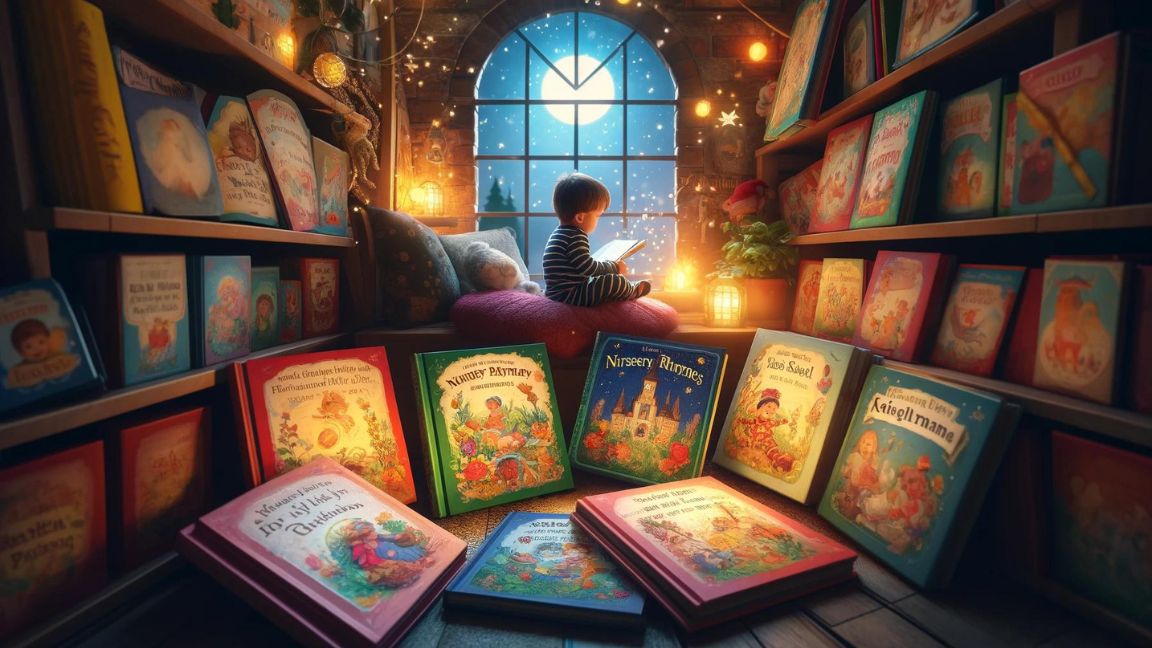
A well-chosen Nursery Rhymes Book can be a pivotal tool in an early childhood education, offering not only delight and entertainment but also fostering essential language and cognitive skills. These books form an integral part of the nursery class syllabus and are cherished by children and educators alike for their rhythmic, easy-to-remember verses that make learning fun. This guide explores both classic and modern nursery rhymes books that are perfect for young readers and discusses how these stories support foundational learning skills.
The Enduring Charm of Nursery Rhymes Book
Nursery rhymes are more than just short stories or simple poems; they are a powerful educational tool. They help children develop an ear for language, rhythm, and music and lay the groundwork for effective communication skills. Here’s why they remain staples in educational settings:
- Language Development: Rhymes enhance vocabulary and pronunciation by exposing children to a wide range of phonetic sounds.
- Memory Booster: The repetitive nature of rhymes improves memory and recall abilities in young children.
- Cognitive Skills: Understanding the sequence and storytelling in rhymes enhances cognitive development and critical thinking skills.
Classic Nursery Rhymes: Timeless Treasures
Classic nursery rhymes have stood the test of time, captivating children for generations. Here are a few timeless collections that continue to be essential reading in preschools:
“Mother Goose Rhymes”: This collection includes popular tales like “Jack and Jill” and “Humpty Dumpty,” known for their catchy phrases and memorable characters.
“A Child’s Garden of Verses” by Robert Louis Stevenson: This book offers poetry that resonates with children, depicting everyday events and emotions from a child’s perspective.
Modern Nursery Rhymes: Contemporary Classics
Modern authors have reinterpreted traditional rhymes to reflect contemporary values and inclusive themes, making them relevant to today’s multicultural society:
“Here Comes Mother Goose” by Iona Opie: This anthology pairs old favorites with less familiar rhymes, illustrated by Rosemary Wells, showcasing diverse characters and settings.
“Puffin Mother Goose Nursery Rhymes”: This edition features vibrant illustrations that appeal to modern children, bringing the classic characters to life in a fresh way.
Integrating Nursery Rhymes into the Nursery Syllabus
Incorporating nursery rhymes into the daily curriculum can significantly enhance educational outcomes. Here are some effective strategies:
- Interactive Read-Alouds: Engage children with animated readings that emphasize rhythm and sound patterns.
- Rhyme and Repeat Activities: Encourage children to recite rhymes together, which promotes language skills and social interaction.
- Creative Rhyme-Based Projects: Use rhymes as prompts for drawing, acting, or storytelling activities, fostering creativity and deeper comprehension.
The Role of Technology in Nursery Education
The advancement of digital tools has transformed traditional educational methods. A school parent app can be particularly effective in enhancing School-Parent Communication. These apps allow parents to access educational content at home, reinforcing what children learn in school and promoting continuous learning.
Digital Nursery Rhymes: Many apps offer interactive versions of nursery rhymes that include animations and games to engage children further.
Parental Involvement: Regular updates via the app can help parents stay informed about their child’s progress and the themes being explored in class.
Conclusion
Choosing the right Nursery Rhymes Book can have a lasting impact on a child’s developmental journey. Whether classic or modern, these books are fundamental in building a robust educational foundation, aiding in everything from language acquisition to social skills development. By integrating these timeless literary works into the nursery class syllabus and utilizing contemporary tools like school parent apps, educators can provide a holistic and enriched learning environment. As such, nursery rhymes not only preserve cultural heritage but also bridge the gap between traditional and modern educational practices, preparing young learners for success in a rapidly evolving world.
Frequently Asked Questions
The oldest nursery rhyme book is “Tommy Thumb’s Song Book,” published in 1744. It is considered one of the first collections of English-language nursery rhymes.
Yes, nursery rhymes are a form of poem specifically designed for children. These rhymes are usually short and rhythmically simple, making them easy for young children to remember and recite.
“Twinkle, Twinkle, Little Star” is often considered the easiest nursery rhyme. Its simple lyrics and melody make it accessible for very young children.
Yes, nursery rhymes are still popular. They continue to be a fundamental part of early childhood education and are used to teach language, rhythm, and rhyme to children around the world.